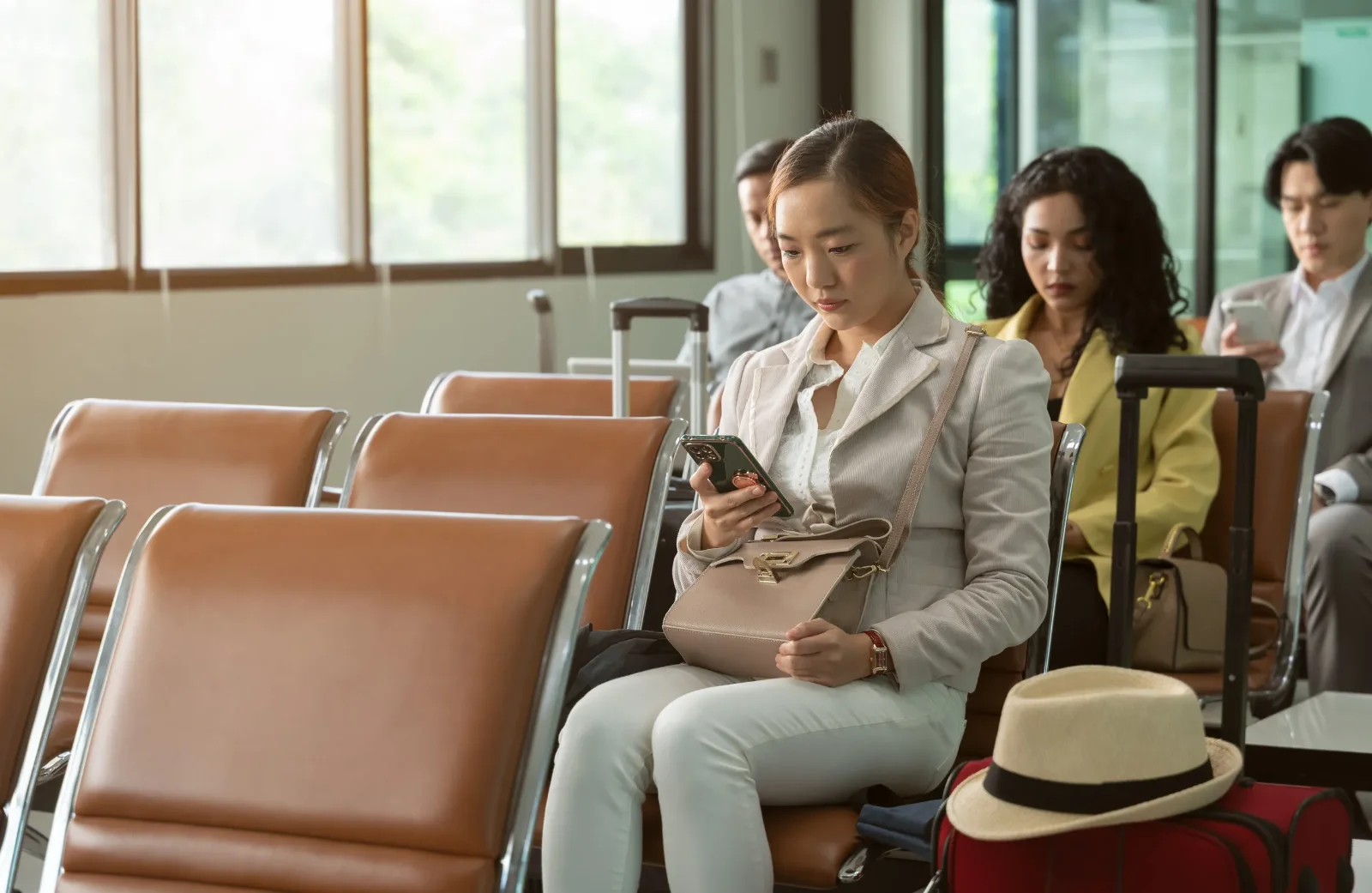
When deciding to fly solo to Taipei for a dedicated aesthetic recovery trip, a quick moment of hesitation is entirely natural:
"Can I really manage this alone? Is going solo an empowering act of independence, or an unnecessary risk?"
The short answer: traveling to Taiwan alone for cosmetic treatments is completely doable. However, the real key lies in which specific procedure you choose and whether you have established a reliable safety net in advance.
(Planning your aesthetic itinerary? Read our comprehensive guide: "2026 Taiwan Cosmetic Surgery Guide: Recovery Timelines, Entry Visa Rules, and Flight Safety")
When Independence Meets Physical Vulnerability: The Realities of Recovery

In daily life and career, mature women are accustomed to handling challenges, traveling, and managing life independently. But cosmetic surgery differs from standard travel—it comes with an unavoidable period of physical vulnerability.
Once you return to your hotel room and close the door, the primary challenge is rarely emotional loneliness; it revolves around very small, highly practical physical limits and clinical considerations:
1. Residual Anesthesia and Initial Awakening
- Impaired Reflexes and Balance: Anesthesia clearance takes time. Clinical guidelines indicate that within the first 24 hours after sedation or general anesthesia, cognitive sharpness, muscle coordination, and physical balance remain impaired. This significantly increases the risk of nausea, dizziness, or postural hypotension falls (Mayo Clinic, n.d.; National Taiwan University Hospital [NTUH] Hsinchu Branch, n.d.; Taipei Veterans General Hospital [TVGH], n.d.).
- Difficulty Identifying Complication Warning Signs: Early post-op hours are often accompanied by nausea, vomiting, or body temperature fluctuations (Mayo Clinic, n.d.; TVGH, n.d.). Lying in bed alone, it is difficult to objectively assess whether a symptom is a normal anesthesia reaction or an urgent complication requiring medical intervention (Mayo Clinic, n.d.; TVGH, n.d.).
2. Physical Movement Limitations and Daily Logistical Hurdles
- Strenuous Daily Tasks: For procedures like breast augmentation or body contouring/liposuction, pulling or exerting core and upper-body muscles during the early inflammatory healing phase is strictly prohibited (American Society of Plastic Surgeons [ASPS], n.d.; Johns Hopkins Medicine, n.d.). Simple tasks—such as twisting open a tight bottle cap, pulling a heavy suitcase zipper, or reaching across a bedside table for medication—become surprisingly difficult (ASPS, n.d.).
- Bathing and Incision Care: Post-op wound care must follow surgeon guidelines (e.g., keeping incisions dry). Navigating a hotel bathroom alone while trying to shower or wash your hair without wetting facial or body incisions forces awkward postures, increasing the risk of slipping on wet tiles (NTUH Hsinchu Branch, n.d.; TVGH, n.d.).
- Meal Pickup and Deliveries: Wearing facial bandages or compression garments right after surgery makes answering the door for food delivery drivers awkward. You face a dilemma between exposing your vulnerable state to strangers and forcing yourself to get out of bed while physically exhausted.
3. Late-Night Stress and Emotional Friction in a Foreign City
- Late-Night Uncertainties with "No One to Ask": Lying in an unfamiliar hotel room at 2:00 AM while looking at a swollen face or feeling wound discomfort can magnify anxiety. Without immediate professional reassurance, minor doubts ("Is this swelling normal?" "Does this minor bleeding need attention?") can trigger unnecessary stress.
- Emotional Friction and Forcing a Brave Face: Video calling family or friends back home often requires putting on a brave face so loved ones don't worry. This emotional labor drains precious energy when your body needs rest most.
4. Emergency Response Window
- Delayed Action During Nighttime Discomfort: Outpatient and day-surgery patients require close monitoring after discharge (Johns Hopkins Medicine, n.d.; NTUH Hsinchu Branch, n.d.). If acute discomfort arises at night, struggling out of bed alone to find clinic emergency contacts delays critical response time (Johns Hopkins Medicine, n.d.; NTUH Hsinchu Branch, n.d.).
Solo Travel Suitability Guide by Procedure Type
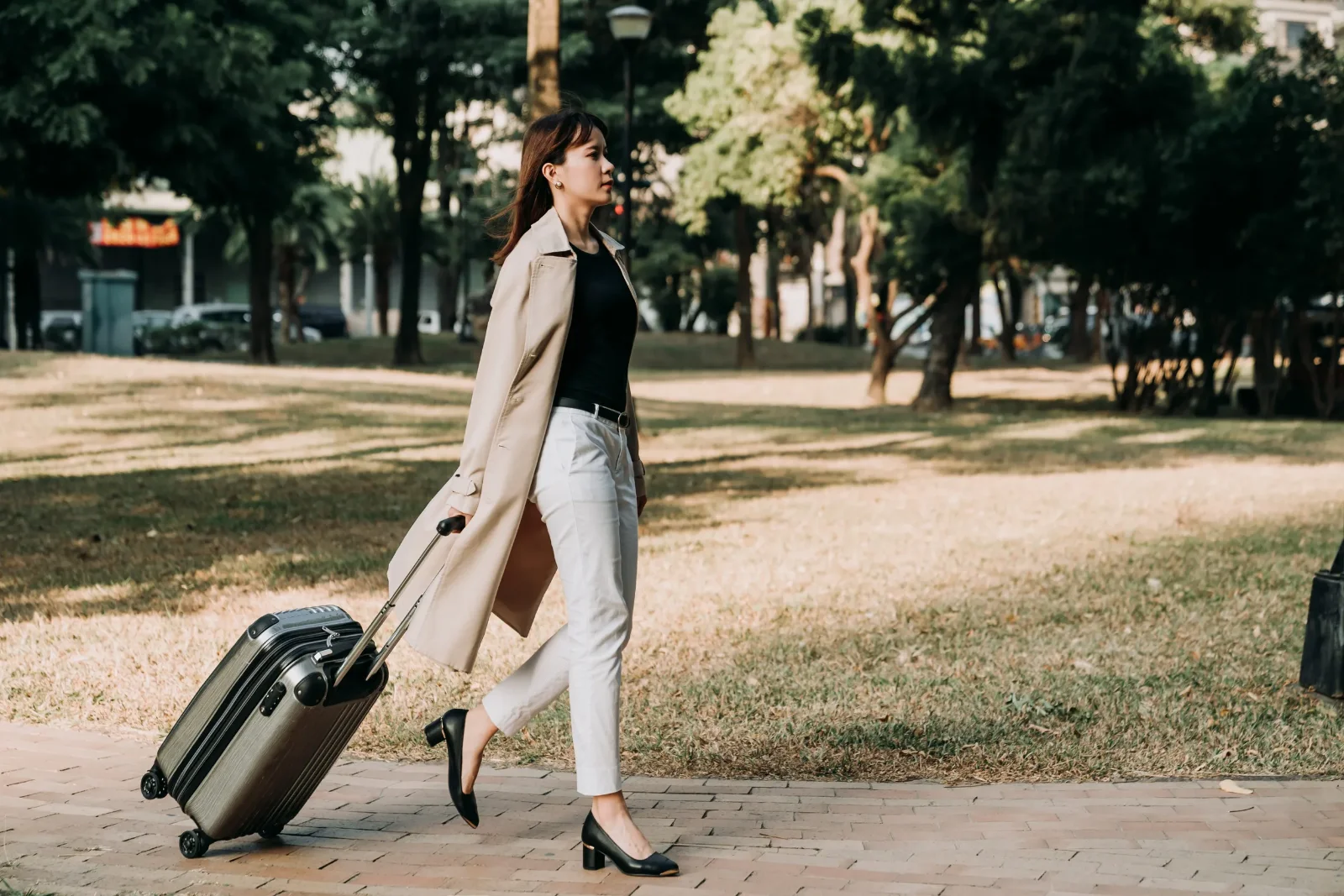
Not every aesthetic procedure requires a travel companion. Based on clinical guidelines for post-anesthesia care and post-operative recovery (ASPS, n.d.; Johns Hopkins Medicine, n.d.; Mayo Clinic, n.d.; NTUH Hsinchu Branch, n.d.), aesthetic treatments generally fall into three categories:
| Category | Typical Procedures | Solo Suitability | Key Considerations & Care Focus | ||
| 1. Non-Invasive Skin Treatments | Pico laser, Ultherapy, Thermage, skin boosters | ★★★★★ (Ideal for Solo Travel) | Requires only topical numbing cream; no incisions or general anesthesia risks. Mild redness clears quickly, allowing immediate free movement. | ||
| 2. Injectables & Fillers | Hyaluronic acid, Botox, Sculptra (PLLA) | ★★★★☆ (Suitable for Solo Travel) | Quick treatment with minimal downtime. Follow basic care guidelines (avoiding hot springs, saunas, strenuous workouts, or pressing the injection site). | ||
| 3. Invasive Surgical Procedures | Liposuction, breast augmentation, rhinoplasty, blepharoplasty, facelifts | ★★☆☆☆ (Requires Dedicated Local Support) | Anesthesia Recovery: Clinical guidelines advise against staying alone or driving within 24 hours of general anesthesia/sedation due to impaired reflexes (Mayo Clinic, n.d.; NTUH Hsinchu Branch, n.d.). Lifting & Motion Restrictions: Upper-body exertion (lifting luggage, opening tight caps) is restricted (ASPS, n.d.; Johns Hopkins Medicine, n.d.). |
How to Navigate Solo Surgery When Friends or Family Can't Join
If friends or family cannot take time off—or if you simply value your privacy and prefer not to explain your journey—you do not have to give up on your travel plans.
Simply set up an objective "Solo Safety Net" before departing:
- Choose Clinics with 24/7 Professional Medical Support: Ensure you can reach your clinic's care team at any hour if wound questions arise.
- Pre-Plan a Low-Exertion Hotel & Dining Environment:
- Select Recovery-Friendly Hotels: Pick well-managed hotels with keycard elevator access, quiet acoustics, and easy delivery access.
- Save a Curated Food List: Save a list of local restaurants or soothing dessert spots near your hotel. Stick to mild, non-spicy, low-sodium dishes, and order via delivery apps or hotel front desk assistance without walking outside.
- Set Up Dual Emergency Contacts: Share your hotel room number, clinic name, and emergency numbers with trusted family back home so loved ones feel at ease.
- Engage Professional Local Assistance: Outsource physical tasks—such as luggage handling, meal delivery to your door, discreet transfers, and in-room salon washing—to a local care team.
(Wondering what to pack for solo surgery in Taipei? Read our guide: "What to Pack for Cosmetic Surgery in Taiwan: What You Bring, What’s Ready in Your Room")
How Far From Home Care Supports Your Taipei Journey
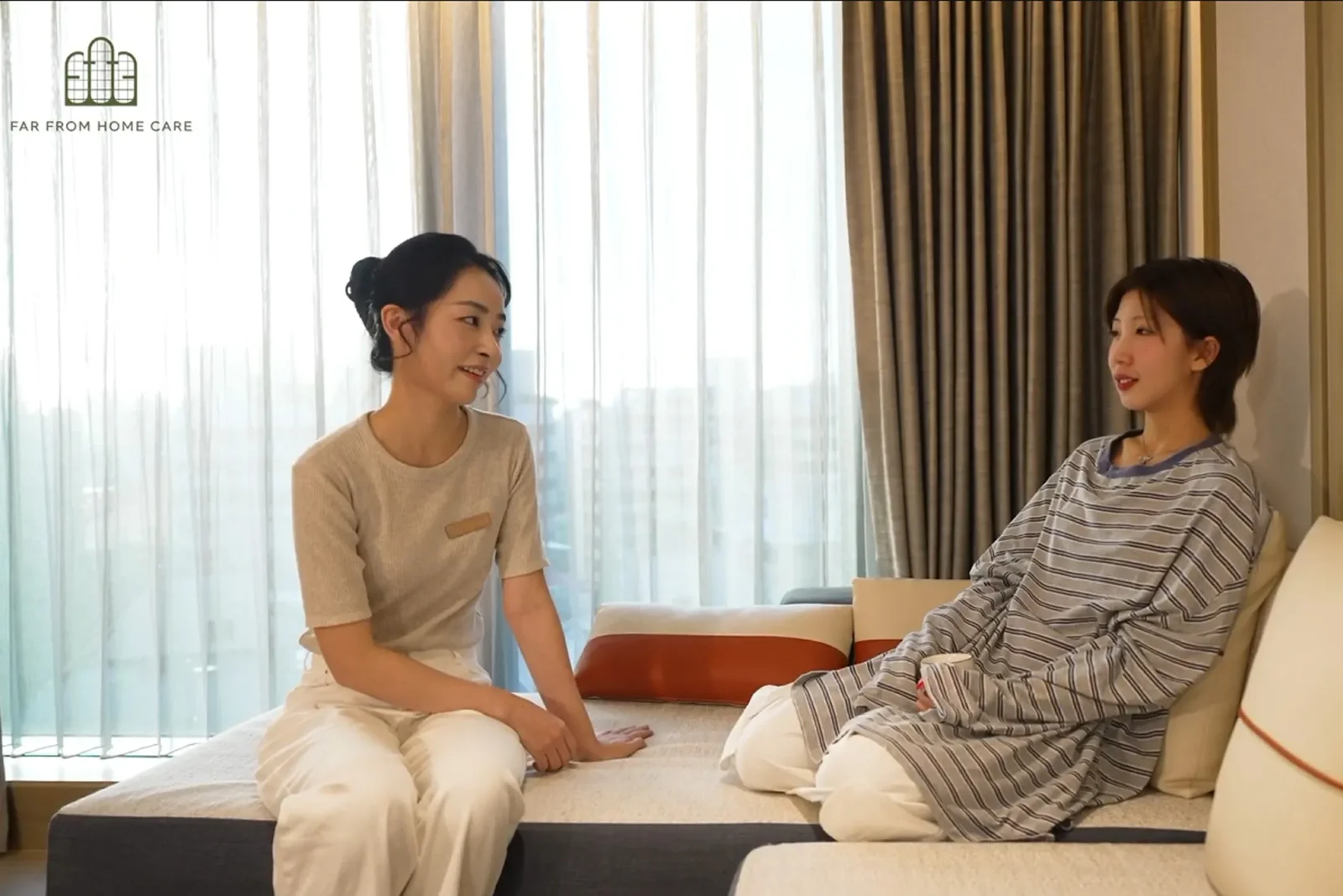
Far From Home Care (異鄉家人) understands the value mature women place on independence and privacy.
We operate discreetly in the background to provide tailored, non-medical lifestyle support:
- Discreet Private Transfers: Point-to-point transfers ensure you return safely to your hotel room without navigating public taxis while groggy from anesthesia.
- Seamless Daily Handling: We receive food deliveries and supplies at your door and arrange professional staff to bring portable basins for in-room, lie-flat hair washing—eliminating arm strain and keeping facial incisions dry.
- Confidentiality & Safety Coordination: Our vetted concierges sign non-disclosure agreements, speak multiple languages (English, Mandarin, Cantonese), and maintain contact with your clinic care team for prompt daily assistance.
Traveling solo for surgery is not a reckless gamble; it is a well-prepared act of self-care. Leave the logistical burdens to local concierges, and focus entirely on resting and welcoming your refreshed self.
Book Your Private Taipei Recovery Support
Plan a comfortable, secure, and private recovery trip in Taipei. For hotel selection advice, private transfers, or custom service details, feel free to contact our dedicated concierge advisors.
▶ Click to Book a Consultation & Start Your Private Conversation ◀
(100% Confidential Consultation for Your Tailored Taipei Care Plan)
Frequently Asked Questions
Can I travel to Taiwan alone for cosmetic surgery?+
Yes, but whether you can leave the clinic on your own, and whether you'll need someone with you afterward, is a question for your surgeon and clinic. The name of the procedure alone won't tell you. If you're having general anesthesia or sedation, clinics have different rules about whether someone has to pick you up and who that person can be, so ask and make arrangements before you fly. It's also worth booking your hotel, your rides to follow-up visits, and your meals for the first few days before you leave home.
Can I take a cab back to my hotel by myself on the day of surgery?+
If you've had general anesthesia or sedation, usually not. Booking a ride isn't the same as meeting your clinic's discharge requirements, so check with the clinic before your procedure.
I don't have family or friends coming with me. Who can help after surgery?+
You can arrange a local concierge ahead of time. A Far From Home Care concierge helps with rides, meals, day-to-day needs, and getting to follow-up visits, so you're not handling all of that on your own after surgery.
What should I do if I feel sick in my hotel room in the middle of the night?+
If you have trouble breathing, heavy bleeding, or feel confused or like you might pass out, call 119 (Taiwan's emergency number) right away. Don't wait to hear back from the clinic. For anything else, use the after-hours contact your clinic gave you. If you can't reach them and your symptoms aren't going away or are getting worse, ask the front desk to get you a cab to the nearest emergency room, or call 119 if you can't get there yourself. Don't try to tough it out until morning. Before surgery, ask the clinic how to reach them at night, and save the clinic's number, your hotel's address, and the front desk number in your phone. If you've booked Far From Home Care, you can also call our overnight on-call person, who can come over, get you a car, and go with you.
How soon can I fly home after cosmetic surgery in Taiwan?+
There's no set number of days that applies to every procedure, so go by what your surgeon tells you. Before you book flights, ask your surgeon when your follow-up visits will be and when it's safe to fly, and choose flights and hotel bookings you can change.
This article is for general informational and educational purposes only and does not constitute medical advice, diagnosis, or treatment. It cannot replace a direct consultation with a qualified physician. All aesthetic procedures carry individual risks, and recovery guidelines vary by individual. Always consult your attending surgeon or clinic medical team for specific medical concerns.
References (APA 7th Edition)
- American Society of Plastic Surgeons. (n.d.). Dos and donts after plastic surgery: How to recover safely. https://www.plasticsurgery.org/x26556
- Johns Hopkins Medicine. (n.d.). Recovering from surgery and Post-Anesthesia Care Unit (PACU) guidelines. https://www.hopkinsmedicine.org/health/treatment-tests-and-therapies/recovering-from-surgery--intensive-care
- Mayo Clinic. (n.d.). General anesthesia: What you can expect & recovery safety. https://www.mayoclinic.org/tests-procedures/anesthesia/about/pac-20384568
- National Taiwan University Hospital Hsinchu Branch. (n.d.). Shoushu masui hou zhuyi shixiang yu menjin binghuan fanjia zhinan [Post-anesthesia care instructions and outpatient discharge guide]. https://www.hch.gov.tw/?aid=626&pid=60&page_name=detail&iid=509
- Taipei Veterans General Hospital. (n.d.). Masui huifuqi zhaohu yu quanshen masui zhuyi shixiang [Post-anesthesia recovery care and general anesthesia guidelines]. https://ihealth.vghtpe.gov.tw/media/789