Traveling abroad for cosmetic procedures comes down to two major timeline decisions: how long your entry permit allows you to stay, and how much time your body needs to properly heal.
For travelers holding U.S., Canadian, British, Australian, EU, Singaporean, Malaysian, Hong Kong, or Macau passports, visa-free entry allows stays ranging from 30 to 90 days, making pre-trip preparation straightforward. For mainland Chinese citizens residing overseas, you will need to apply for a Tourist Exit and Entry Permit for Taiwan (Rùtái Zhèng), which grants up to a 15-day stay. It is best to submit this application at least one month before booking your flights.
For major procedures—such as facial bone contouring, breast augmentation, top surgery (FTM chest masculinization), 360/full-body liposuction, and tummy tucks—plastic surgeons generally recommend staying in Taiwan for at least 10 to 14 days. We also advise adding one buffer day before departure, allowing your primary surgeon to conduct a final in-person evaluation and clear you for air travel.
Important Non-Medical Disclaimer:
This guide provides non-medical information on entry visas, daily living support, and private transportation during your stay in Taiwan. It does not offer medical diagnoses, treatments, or clinical care. All wound care, medication schedules, cold/heat compression routines, and recovery evaluations must strictly follow the instructions of your attending physician and medical team. Our non-medical concierge services are designed exclusively to assist with your daily life during your self-booked trip to Taiwan (Taiwan Medical Tourism Association, n.d.).
Step 1: Confirm Entry Requirements Before Booking Flights
Many international clients rush to book flights as soon as they decide on a procedure. However, the safest approach is to verify your passport and entry requirements first, confirming your travel clearance before locking in flight dates.
1. Visa-Free Passports (U.S., Canada, U.K., Australia, EU, Singapore, Malaysia, Hong Kong, Macau)
U.S., Canadian, Australian, U.K., and EU Passports: Most qualify for visa-free entry for up to 90 days. Ensure your passport is valid for at least six months beyond your planned stay.
Singapore and Malaysia Passports: Visa-free entry for up to 30 days.
Hong Kong and Macau Passports: Most travelers can easily apply for an online entry permit or visa-free clearance prior to travel.
2. Mainland Chinese Citizens Residing Abroad (Tourist Exit and Entry Permit)
Eligibility: Chinese passport holders who hold overseas permanent residency (such as a U.S. Green Card or Australian PR), international student visas, or employment visas with at least one year of overseas work history can apply online for the "Overseas Mainland Chinese Visiting Taiwan for Tourism" permit.
Processing Time and Stay Limits: We recommend applying at least one month prior to booking flights. Once issued, the permit allows a maximum stay of 15 days, starting the day after arrival.
Far From Home Care Pre-Trip Consultation:
If you have questions about entry permit applications, calculating your stay duration, or choosing hotel locations relative to your clinic, contact the Far From Home Care team before booking. We assist with pre-trip timeline alignment and lodging recommendations based on your nationality and scheduled procedures, helping you avoid travel disruptions caused by visa or scheduling errors.

Step 2: Align Surgery Scale with Recommended Stay Duration
Your itinerary length should not be determined by sightseeing plans, but by how much quiet rest and recovery time your body requires before stitches can be safely removed (Asian Surgical Association, n.d.). Below is an overview of recommended stay durations for popular procedures and how Far From Home Care supports your daily needs at each stage:
| Procedure & Category | Post-Op Care Focus & Physical Restrictions | Recommended Stay | Far From Home Care Non-Medical Support Services |
| Injectables / Lasers(Hyaluronic acid, Botox, Pico laser) | Rapid recovery with minimal impact on daily life; avoid long-haul flights immediately post-procedure. | Same day to 2 days | Discreet airport transfers; recommendations for low-stress city activities and light meal pickup. |
| Facelift / Skin Tightening | Frequent cold compresses required for the first 3 days to reduce swelling; follow-up and stitch removal in 7–14 days. | ~7 to 10 days | Timed compress reminders; pickup of low-sodium anti-swelling broths (e.g., red bean or black bean water); discreet escort to follow-up consultations. |
| 360 / Full-Body Liposuction | Peak swelling occurs during the first 3 days; high-compression garments must be worn as directed by your surgeon. | ~10 to 14 days | Non-medical assistance getting into and out of compression garments; high-protein meal pickup; contactless delivery directly to your hotel door. |
| Facial Bone Contouring / Reduction | Peak swelling on days 3–5; liquid diet required initially; physical support needed to get out of bed; stitches removed in ~1 week. | ~10 to 14 days | Liquid/soft nutritional meal pickup (strained warm broths, high-protein shakes); written medical order summaries; bed-to-standing safety assistance. |
| Top Surgery(FTM Chest Masculinization) | Surgical drains left in place for 2–3 days if used; avoid raising elbows above shoulders for the first 3 weeks. | ~10 to 14 days | Daily assistance avoiding arm exertion; booking in-room hair washing services; discreet follow-up transfers. |
| Breast Augmentation / Fat Transfer | Avoid raising arms, reaching overhead, or lifting heavy objects for 7–10 days; chest compression and rest required. | ~10 to 14 days | Assistance with high-reach items and luggage; delivery of daily supplies to your door; real-time messaging support. |
| Tummy Tuck(Abdominoplasty) | Strict bed rest for the first 1–3 days; stitch removal in 1–2 weeks; physical assistance required when standing upright. | ~21 days | Physical support when standing and walking early on; full-term dedicated concierge; scheduled text reminders for medication times. |
Step 3: Choose the Right Recovery Plan
Recovery Plan Selection Guide
| Surgery Category | Included Procedures | Recommended Plan | Far From Home Care Focus |
| Major Surgery | Facial bone contouring, breast surgery, top surgery, 360 liposuction, tummy tuck | 14-Day Full Care Plan | 1-on-1 dedicated living concierge, covering private transfers, 3 meals pickup, daily physical assistance, and follow-up accompaniment. |
| Mid-Sized / Minimally Invasive | Lower facelift, localized liposuction | 10-Day Targeted Plan | Stage-based living concierge, focusing on peak swelling days (Days 1–3) and follow-up consultation transfers. |
| Injectables / Lasers | Hyaluronic acid, Botox, skin maintenance lasers | Express / 2-Day Plan | Point-to-point airport and hotel private transfers with flexible local transportation. |
Below is a detailed breakdown of the 14-Day Full Care Plan for major surgical procedures:
14-Day Full Care Plan: Schedule and Support Overview
| Recovery Stage | Days | Daily Focus | Post-Op Care Priorities | How Your Concierge Assists You |
| Arrival & Surgery | Day 1 | Arrive in Taipei; private transfer to hotel. | Settle in; organize personal medications. | Airport Pickup: Private driver transfers you directly to underground hotel parking, assists with luggage, and ensures discreet check-in. |
| Day 2 | Pre-op consultation and surgery. | Review care instructions; enter procedure with peace of mind. | Clinic Transfers: Pre-op emotional support; post-op private transfer back to your hotel for rest. | |
| Hotel Recovery | Days 3–7 | Peak swelling and weakness (5 critical recovery days). | Remain at hotel; focus on cold compresses and nutrition. | Comprehensive Living Care: 1. Meal Pickup: Source low-sodium sea bass soup, high-protein porridge, or liquid diets to your door. 2. Order Summaries: Organize clinic instructions into clear text messages sent to your phone. 3. Schedule Reminders: Timed reminders for medication and compress routines. 4. Daily Support: Assist with reaching items when arm movement is restricted. |
| Stitch Removal | Days 8–10 | Private transfer to clinic for stitch removal and evaluation. | Surgeon checks wound healing and progress. | Discreet Follow-Up: Arrange point-to-point transport; concierge accompanies you discreetly and notes updated physician instructions. |
| Days 11–12 | Strength gradually returns; light outings. | Take short walks; personal grooming. | Personalized Support: Book in-room hair washing services; purchase local souvenirs or daily necessities. | |
| Buffer & Departure | Day 13 | Critical Pre-Departure Buffer Day | Maintain 1 flexible day to avoid flight change fees. | Pre-Departure Check: Concierge helps inventory supplies, pack luggage, and maintain a relaxed mindset. |
| Day 14 | Final clearance check; safe flight home. | Surgeon confirms flight readiness; prepare to depart. | Airport Departure: Concierge assists with checkout, loads luggage, and provides private transfer to the airport. |

Step 4: Select the Right Airport and Private Transport
After surgery, your body will be in a delicate state. Minimizing the physical burden of hauling luggage or navigating transit is essential:
Taipei Songshan Airport (TSA): Located in central Taipei, just a 15-minute drive from major downtown medical districts. Best suited for regional flights (Tokyo Haneda, Seoul Gimpo, Shanghai Hongqiao, Hong Kong).
Note: Songshan does not service direct long-haul flights from North America.
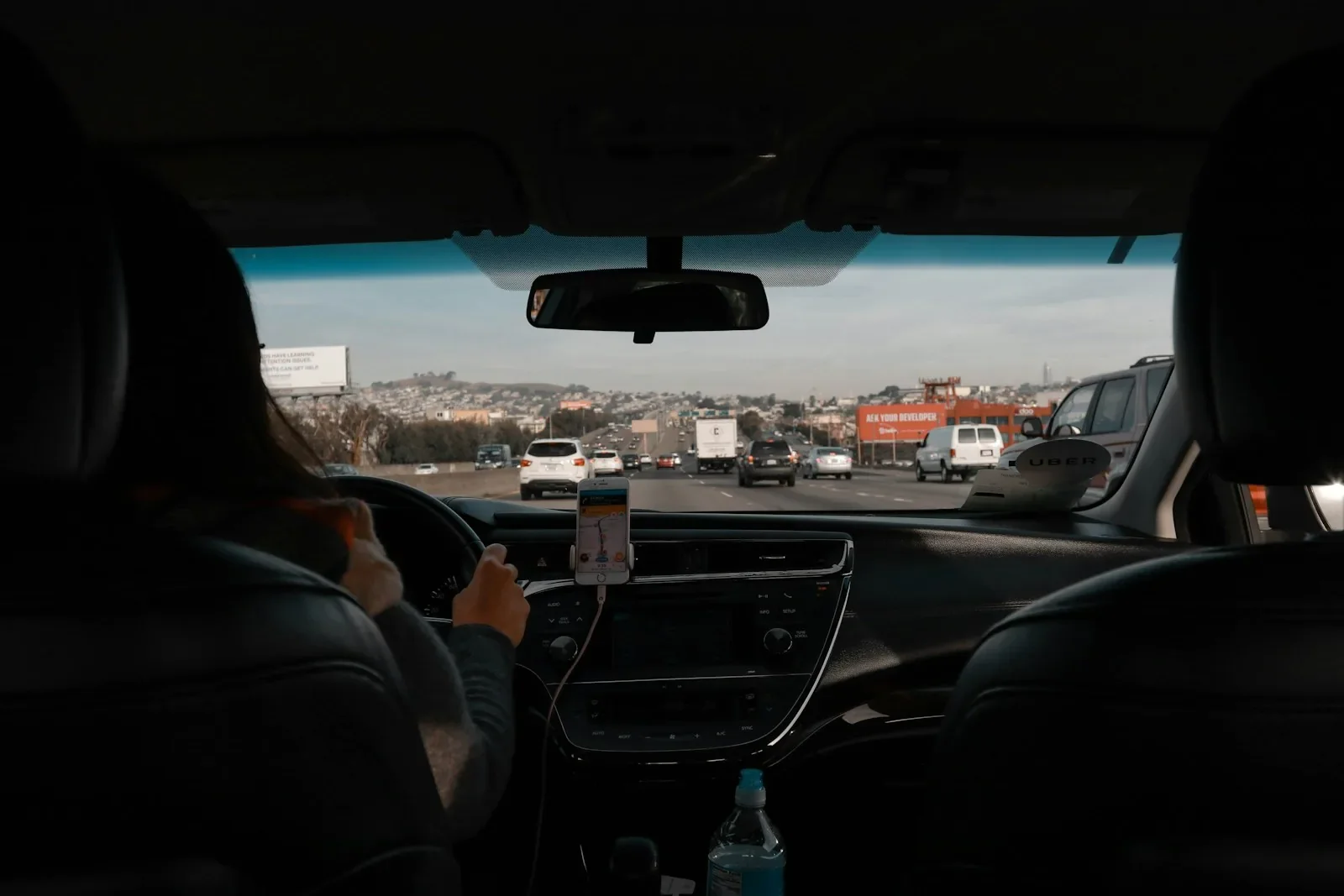
Taiwan Taoyuan International Airport (TPE): Taiwan's primary international hub with extensive direct connections to North America, Europe, and Southeast Asia. Located 40 to 60 minutes from downtown Taipei. Given post-op weakness and lifting restrictions, pre-booking point-to-point private chauffeured transfers is strongly recommended.
Far From Home Care Transport Highlights:
Our vetted drivers operate clean, high-end vehicles with a focus on client discretion. We arrange point-to-point transfers via underground parking garages, allowing you to travel from the airport to your hotel room without hauling heavy bags, navigating public transportation, or hailing street cabs while bandaged.
Step 5: In-Flight Precautions for Long-Haul Travel
Cabin pressure drops, dry air, and prolonged immobility during flights can impair leg circulation and increase the risk of deep vein thrombosis (DVT) or blood clots (Aerospace Medical Association, n.d.).
4 Post-Op Flight Self-Care Habits:
Sip Water Frequently:
Flight cabins are extremely dry. Drinking water frequently keeps blood from thickening; avoid caffeine and alcohol.
Move Your Legs Regularly:
Walk the aisle every 1–2 hours, or perform ankle pumps and toe raises in your seat to promote calf venous return.
Wear Loose Clothing & Choose an Aisle Seat:
Wear loose, comfortable clothing and select an aisle seat for easy mobility.
Obtain Explicit Surgeon Clearance:
Never fly until your primary surgeon conducts a physical evaluation and explicitly approves your fit-to-fly status.
Far From Home Care Taipei Concierge:
Quiet Protection for a Seamless Journey
Recovering from major surgery in a hotel room—managing compression garments, arm restrictions, meals, and local errands in an unfamiliar city—can feel overwhelming. We offer 100% customized living plans tailored to your procedure scale (2, 10, or 14+ days), visa restrictions, and personal preferences:
Flexible Private Transportation: Chauffeured underground garage transfers scheduled around follow-ups and light walks.
Tailored Dietary Pickup: Precise alignment with surgeon guidance, delivering anti-swelling soups, high-protein liquids, or warm local meals to your door.
Custom Schedule Reminders: Clear, text-based medication and compression schedules sent directly to your phone.
Schedule a 1-on-1 Customized Consultation
You do not have to navigate recovery alone. Let Far From Home Care serve as your discrete, trusted support network in Taiwan.
Send us a private message with your expected procedure and planned stay duration; a dedicated concierge will respond within 24 hours to design your customized living plan. All inquiries are protected under strict confidentiality agreements.
Frequently Asked Questions (FAQ)
Is a 15-day entry permit enough time for recovery?+
Yes. The 15-day limit for mainland Chinese citizens residing abroad (starting the day after entry) aligns cleanly with our 14-Day Recovery Plan, covering pre-op consultation, surgery, peak swelling rest, stitch removal, and a built-in buffer day.
Why shouldn't I schedule my final follow-up on the day before my flight?+
Healing rates vary. If your surgeon determines that an extra day of observation is needed, rebooking long-haul flights at the last minute can be extremely expensive and stressful. Building in a buffer day provides peace of mind.
How soon after cosmetic procedures can I fly?+
For injectables, avoid long flights immediately afterward. For liposuction, do not fly within 24 hours, and wait at least one week before long-haul flights. For major procedures (bone contouring, breast surgery, tummy tuck), surgeons generally recommend waiting 10 to 14 days. The final determination must always be made by your attending physician.
What if I feel unwell in my hotel room?+
Far From Home Care concierges are non-medical staff and do not make clinical judgments or perform medical care. If you feel unwell, your concierge will immediately relay your symptoms accurately to your surgeon or clinic nursing staff for medical guidance. If a physical evaluation is required, private transport will be arranged immediately to take you back to the clinic.
(Data compiled from National Immigration Agency, Taipei Medical Tourism, plastic surgery clinical guidelines, and airport transit authorities. Visa rules, flight readiness, and recovery timelines are subject to official updates and surgeon evaluation.)
References (APA 7th Format)
Aerospace Medical Association. (n.d.). Medical guidelines for air travel: Patient fitness and thromboembolism prevention. [MISSING: Publication year]
Asian Surgical Association. (n.d.). Guidelines on post-operative recovery timeline and travel readiness for cross-border patients. [MISSING: Publication year]
Taiwan Medical Tourism Association. (n.d.). Best practices for international patient support and non-medical care systems. [MISSING: Publication year]