
After years of effort and dozens of kilos gone, many people run into the same thing no one warned them about: the weight came off, but the skin didn't follow. The loose skin at the abdomen, flanks and inner thighs won't budge with exercise, and clothes only hide it for so long. So "getting it taken care of" becomes the finishing touch many people give themselves — a clean ending to years of hard work.
This article won't touch the surgery itself — what's removed, where the scars sit, whether you're a candidate — that's the professional conversation between you and your surgeon. What it covers is the other half: what the two or three weeks of recovery actually look like when you've crossed an ocean alone for a body lift, and who helps.
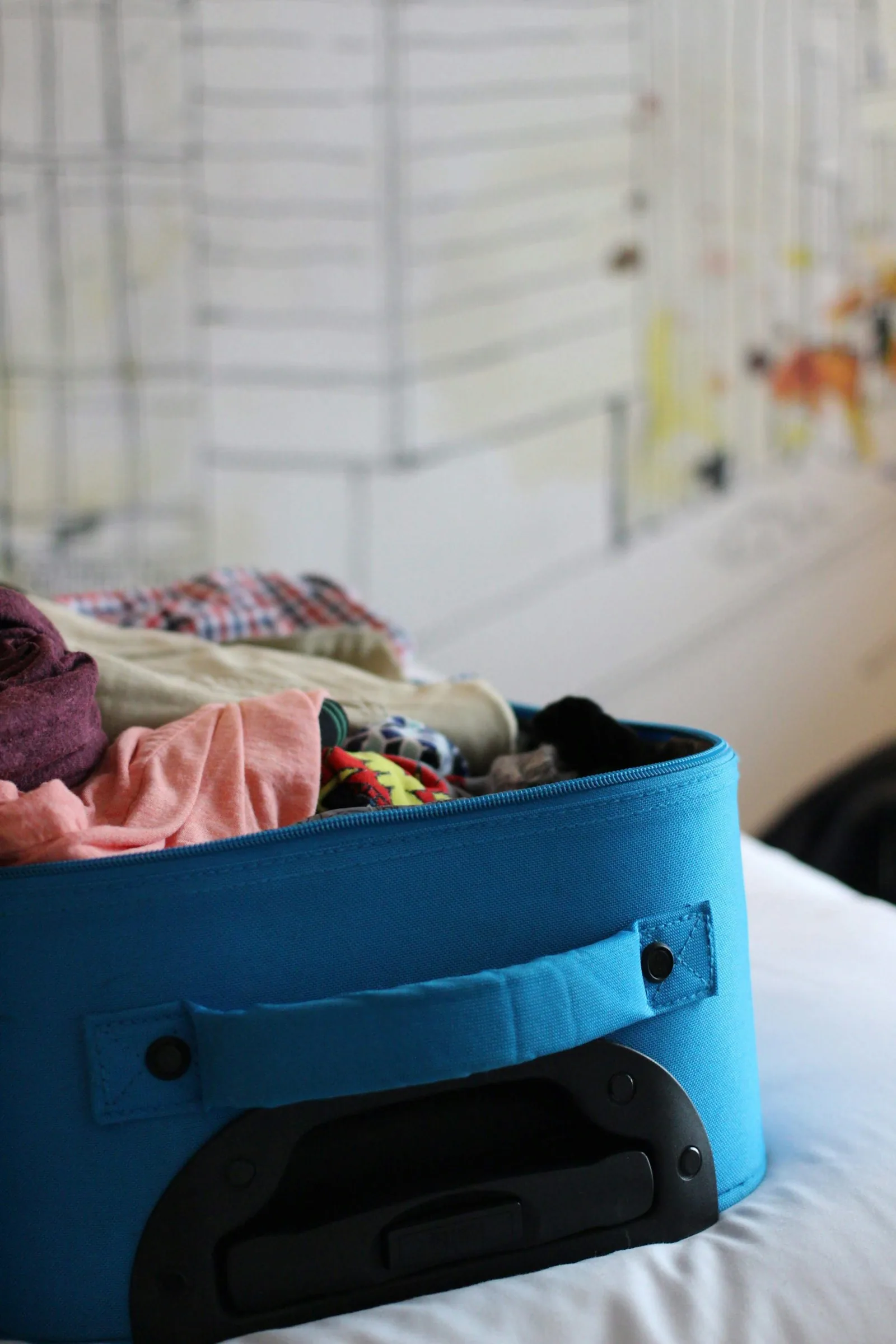
You spent years getting here. This last stretch shouldn't be walked alone — dragging a suitcase, unable to bend down.
Know this first: recovery runs on weeks
Excess-skin removal after major weight loss usually involves sizeable incisions — nothing like a laser session or a quick injectable. From the directions doctors commonly give (your own surgeon's word is final):
- A gradual return to daily life around 2 to 3 weeks: the first week or two is for rest; bending, standing for long and lifting all need to slow down.
- Drains may be placed: to help the skin settle and prevent fluid build-up, drains are often kept for a few days and removed by your surgeon based on the output.
- The compression garment is your daily wear: it helps the tissue settle and the skin lie smooth, commonly worn for one to three months.
- Lifting and exercise wait: usually eased back in from around 4 to 6 weeks, on your surgeon's timing.
Once you see these, you understand why this trip can't be planned like a regular cosmetic one — the day count has to be generous. For templates, see How to Plan Your Cosmetic Surgery Trip to Taiwan: Three Day-Count Templates, and go straight to the most generous version.
What "can't bend down" means by Tuesday
Body-lift incisions are mostly around the abdomen, flanks or thighs — and the moment those areas are involved, the most basic movements get hard. What overseas guests report isn't abstract pain; it's a string of specific snags: low-rise trousers you can't pull up, getting off the bed edge taking forever, not being able to reach your back in the shower, something dropped on the floor you can only stare at.
At home, with someone around, none of it is a problem. Alone in a hotel abroad, every one of them is — and with drains to mind and a compression garment to get on and off, it takes a second pair of hands more than you'd expect.
Where it gets hardest on your own
| What comes up | On your own | With someone beside you |
|---|---|---|
| Getting up and dressing | Can't bend, can't reach the buttons — half an hour gone every morning | A hand with daily life; front-opening clothes prepared ahead |
| The compression garment | Wrestling a snug garment alone, sweating halfway through | On, off, washed and rotated for you; a clean one always ready |
| Meals | One trip downstairs for food and your energy's gone | Warm food delivered to your door, cleared away after |
| Follow-ups and stitch removal | Hauling yourself there, an all-Chinese clinic, afraid of missing instructions | Door-to-door car and bilingual accompaniment; instructions noted down |
| Privacy and mood | You'd rather no one knew, so you keep it to yourself | One discreet person who knows the whole story and listens |
The difference isn't whether someone does the procedure for you — it's whether the everyday errands of recovery get taken off your plate. Even people used to handling everything alone tend to change their mind by day three: save the energy, spend it all on healing.
Pack these before you fly, and land unflustered

Before you go, walk through the recovery days in advance:
- Clothing: front-opening, easy on and off, gentle elastic; prepare the close-fitting layer per your clinic's advice.
- Room layout: keep everyday things where you can reach them without bending or reaching overhead.
- Meals: agree in advance on who delivers and when — easier than deciding each meal.
- Follow-ups: pin down stitch-removal and follow-up dates, and book the flight home only after your surgeon confirms.
- Privacy: if you'd like it low-key, the itinerary, accommodation and routing can all be arranged around that.
Once your surgery date is set, tell the concierge your length of stay, and transfers, accommodation and daily-life help get arranged ahead of you. For exactly what the concierge does and doesn't do, After the Clinic Closes has the full division of roles.
All recovery timelines here are common directions doctors give, for trip planning only — your treating physician's assessment always takes precedence. Whether surgery suits you, which technique, your activity range and your travel timing are all the surgeon's call. For patient education, see China Medical University Hospital: what to do about loose skin after successful weight loss. Far From Home Care is a daily-life companionship service, not a medical provider; it performs no medical procedures, wound care or drain management, and makes no claims about treatment results.
The concierge's line: caring for your days, not replacing your doctor
Draw the line clearly and you know what you can hand over with ease. Wounds, drains, whether swelling is normal, whether you can do more — all medical, all with your surgeon and clinic; the concierge doesn't touch them. What the concierge does is the other half: transfers, meals, going with you to follow-ups, making sure the doctor's instructions land in your language, helping with the compression garment and clothes, and keeping you company when the room feels too quiet.
That split means overseas guests never have to explain their body, in a second language, to a stranger at midnight.
Frequently asked questions
How long should I stay in Taiwan after a body lift?+
Your length of stay follows your surgeon's schedule for stitch removal, drains and follow-ups. The common direction is a gradual return to daily activity around 2 to 3 weeks; if drains are placed, they're usually removed within a few days once your surgeon checks the output. Most overseas guests plan two weeks or more and book the flight home only after the surgeon confirms — not the other way around.
Why does recovering alone abroad need extra help?+
Body-lift incisions are often around the abdomen, flanks or thighs, so bending, getting up and putting on close-fitting clothes are all restricted — and you may have drains to manage and a compression garment to wear. Doing all of that alone in a foreign country is hard; a second pair of hands lets you keep your energy for healing.
Will the concierge handle wounds or judge my recovery?+
No. Far From Home Care takes no part in any medical procedure or wound care. Wounds, drains and whether swelling is normal are all questions for your surgeon; what the concierge does is help you reach the clinic, accompany you to follow-ups, note down the instructions, and handle the living side.
How long is the compression garment worn, and will the concierge help?+
The timeline depends on your surgery and your doctor's instructions — commonly one to three months. Putting it on and off, washing and rotating garments is daily-life help the concierge can assist with; anything involving the wounds themselves stays with your clinic's medical team.
Can the trip stay private?+
Yes. The itinerary, accommodation and what the concierge does can all be arranged around your privacy, and it stays between you and the concierge. From routing to day-to-day contact, your identity and plans are never disclosed.
This last stretch deserves to be well held
Anyone willing to spend years losing the weight has real grit. This trip is the clean ending to that effort. You walked the earlier road yourself; for these last two or three weeks, let someone share the load — the bending, the dressing, the follow-ups taken off your hands, so you can just heal.
To find out how the trip and companionship come together, the concierge is reachable on WhatsApp or WeChat.