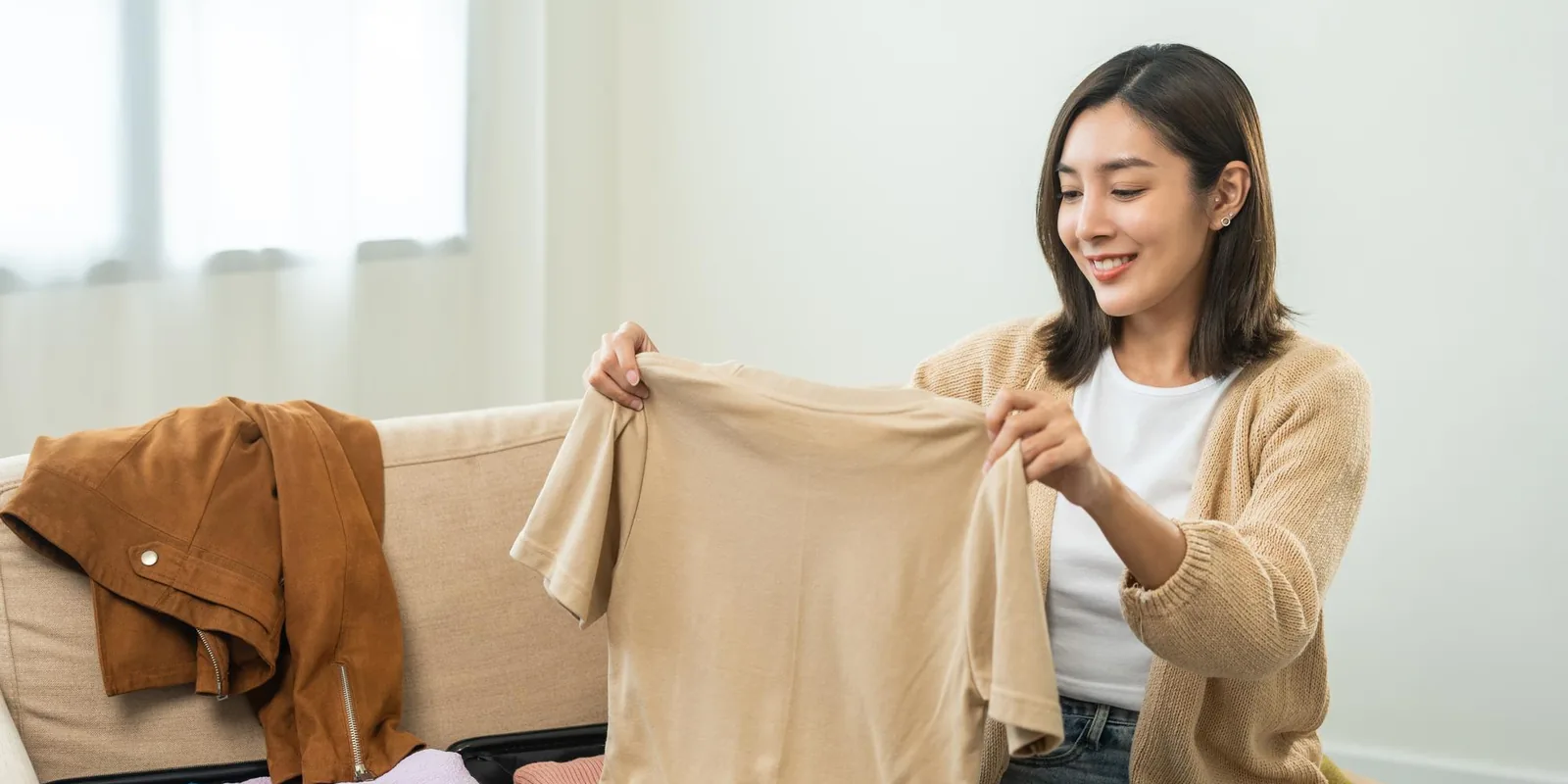
When your baby is still a baby, your time stops being your own. Night feeds at 3 a.m., then up again before sunrise. Contact naps where your arm goes numb but you don't dare move. Showers timed to the minute, one ear on the monitor. Months go by without a single full night's sleep, and every line on the calendar belongs to the baby — none of it to you.
Then one quiet moment, when things finally loosen a little, a thought surfaces: it's been so long since you did something just for yourself. Wanting to bring your body back to a version you feel good about is a wish so many women share at this stage. For plenty of mothers living overseas, coming to Taiwan for something like a postpartum tummy tuck becomes a gift they give themselves.
It's just that this gift carries a few extra layers of weight the average traveller doesn't feel. This article isn't about any procedure itself — that's the professional conversation between you and your doctor. What it wants to help you see clearly is this: why a postpartum mother, crossing an ocean to make this trip, especially wants someone right there beside her.
Choosing to do something for yourself is the gentlest decision there is. And whether it goes smoothly often comes down to one thing: whether there's someone beside you to lend a hand.
How soon after the baby? Give your body its time first
The first questions most mothers ask are about timing: how long after giving birth? Can I do it while still breastfeeding? What if I had a C-section? The final answers all belong to your surgeon — but the directions doctors commonly give can help you get your bearings:
- Most advise waiting six months to a year: time for your body to recover and your weight to settle before surgery is even on the table. There's no rush — and no need to rush.
- Not while breastfeeding: anesthesia and post-op medication can pass into breast milk, so the common advice is to wait a few months after weaning, until your hormones and weight have steadied.
- A C-section doesn't rule it out: the original incision needs to be fully healed and your body back on stable ground first — the right timing is your surgeon's call, face to face.
- If you're planning more children, most surgeons will say wait: another pregnancy stretches the abdomen all over again, and the results are hard to keep.
Which also means that by the time a mother actually makes this trip, her baby is usually still an infant or a brand-new toddler — right at the clingiest, most inseparable age. No wonder this journey weighs on her heart more than on anyone else's.
A postpartum mother sets out carrying three layers of worry

The average traveller's luggage is packed with anticipation. A postpartum mother's luggage holds a few more things no one else can see.
- Her heart stays home: the baby may only just have been weaned, and she counts every day away. How efficient the trip is and how settled her recovery feels tie directly to how soon she can get back to her baby.
- Her time is cut into small pieces: the days she can spend away are limited to begin with, and none can be lost to getting lost, waiting in lines, or the language barrier.
- She's used to putting others first: the feeding times, the nap schedule — they're still written into her body. After being a mother for so long, it's hard to switch overnight into "for these few days I can just look after myself." That's exactly why she needs someone to remind her, to look after her, and to give being cared for back to her.
Stack these three worries together, and you can see why carrying this journey alone is especially hard for a postpartum mother.
Where it's easiest to get stuck on your own
Laying out what past companionship has taught us, these are the small, everyday things where a postpartum mother coming to Taiwan most often loses her energy:
| What you might run into | On your own | With someone beside you |
|---|---|---|
| Getting around | Hailing your own rides, carrying luggage, finding the clinic — the journey eats up your energy | Private transfers, point to point, so your strength goes toward resting |
| Meals | You want something warm and to your taste, but it's hard to get out to buy it | Meals ordered and delivered, so you get what you're craving |
| Follow-up communication | An all-Chinese visit, on your own, nervous about missing something | Bilingual accompaniment to help get everything across clearly |
| Staying in touch with home | Time zones plus little errands make it easy to drop the ball somewhere | Daily life is handled, so you can check in with home with peace of mind |
| Your state of mind | Missing home and feeling alone, it's easy to sink on your own | Someone beside you to catch how you're feeling |
Why having someone there matters so much for a mother
Because what a mother most often lacks was never ability — it's the space to hand herself over and rest easy. At home she's the one looking after everyone; through all the months of sleep chopped into pieces by night feeds, she's the one who held it together. They say it takes a village — but when you live far from home, the village is scattered across time zones. For these few days in Taiwan, let someone be the village for you: the concierge takes over the everyday things one by one — transfers, meals, follow-up accompaniment, the little errands — so you can finally sleep a whole night through, uninterrupted, and keep your time and energy for your own recovery. When these few days feel steady, you go home with the strength to pick your baby right back up.
Far From Home Care is a daily-life companionship and care service, not a medical provider. What the concierge offers is help with daily living, medication-time reminders, bilingual communication and follow-up accompaniment — never any medical procedure or wound care. All recovery- and medically-related questions are subject to your treating physician's assessment and instructions.
Arranging this trip so it feels like being well taken care of

For a postpartum mother, a settled trip to Taiwan usually comes together like this:
- Work out the schedule first: with limited days away, plan the trip just right, with no needless running around.
- Hand off the getting-around: point-to-point transfers, and the strength you save is strength for recovery.
- Hand off daily life: meals, shopping and errands taken care of, so you can simply focus on resting.
- Hand off the uneasiness: language, surroundings, the unexpected — someone beside you to talk it through.
For how many days sits just right and how to plan the trip with the least running around, you can read on in How to Plan Your Cosmetic Surgery Trip to Taiwan: Three Day-Count Templates — map the days out one by one, then hand the daily-life side to being well accompanied.
The decision you made for yourself deserves to be well held
Every mother willing to cross an ocean to make this trip for herself is being brave. All these months, your sleep, your time and your strength have gone to your baby; for these few days, you get to take a little of them back. You've taken such good care of home — now it's someone's turn to take care of you.
For these few days, you don't have to carry it alone. If you'd like to understand how the trip and companionship come together for a postpartum mother, the concierge is reachable on WhatsApp or WeChat, ready to walk this journey — the one you're making for yourself — all the way through with you.
Frequently asked questions
How long after giving birth can I get a tummy tuck? What about after a C-section?+
The timing is your surgeon's call. The directions doctors commonly give: wait six months to a year after birth so your body and weight can settle; surgery isn't usually done while breastfeeding, and most advise waiting a few months after weaning; after a C-section, the original incision needs to be fully healed first. Far From Home Care doesn't give medical advice — what the concierge does is take care of daily life during your days in Taiwan, once your plans are set.
What makes coming to Taiwan alone harder for a postpartum mother?+
Beyond the everyday and language challenges of being in a foreign place on your own, a postpartum mother carries an extra weight: a young child at home and only a limited window to be away, which means she needs an efficient, well-cared-for arrangement even more than the average traveller. With someone to handle daily life, she can give the time she needs to recovery with peace of mind.
What can Far From Home Care do for a postpartum mother coming to Taiwan?+
We provide help with daily living, meal ordering and delivery, private transfers, follow-up accompaniment and bilingual communication. The concierge looks after the everyday side of life and companionship, and does not carry out any medical procedures — the medical side stays with your doctor.
Does the concierge help with wounds or dressing changes?+
No. Any medical procedure, wound care and medication decisions belong to the professional judgment of your doctor and medical team, and the concierge does not step into them. The concierge handles the everyday side — daily living, transfers, accompaniment and communication.
Can a mother travelling with her child still make it work?+
The schedule and companionship can flex around your family situation. It's best to message the concierge on WhatsApp or WeChat first to explain what you need and how long you'll be staying, and work out the best approach together.