
Policy information was updated in June 2026. Always apply according to the latest National Immigration Agency announcements. Cross-strait policy is subject to change, so confirm your current eligibility through a partner clinic before applying. This article lists no medical treatment fees; the proof-of-funds thresholds are official figures and remain subject to the latest NIA announcements. For fees and details, message our concierge via WhatsApp or WeChat.
When people plan cosmetic surgery in Taiwan, the first thing they research is usually the clinic and the procedure. But what actually decides whether the trip can happen is an earlier hurdle: how you enter, whether you need a visa, and whether you need to prepare proof of funds.
The answer doesn't depend on which procedure you want — it depends on the passport and residency status you hold. Overseas Chinese travellers come from all kinds of situations: those with a foreign passport usually enter visa-free, while overseas mainland Chinese have a separate tourist entry permit route. This guide sorts it out by identity, so you can confirm your route before departure and prepare your documents in one go.
Step one: confirm your entry route and length of stay by passport
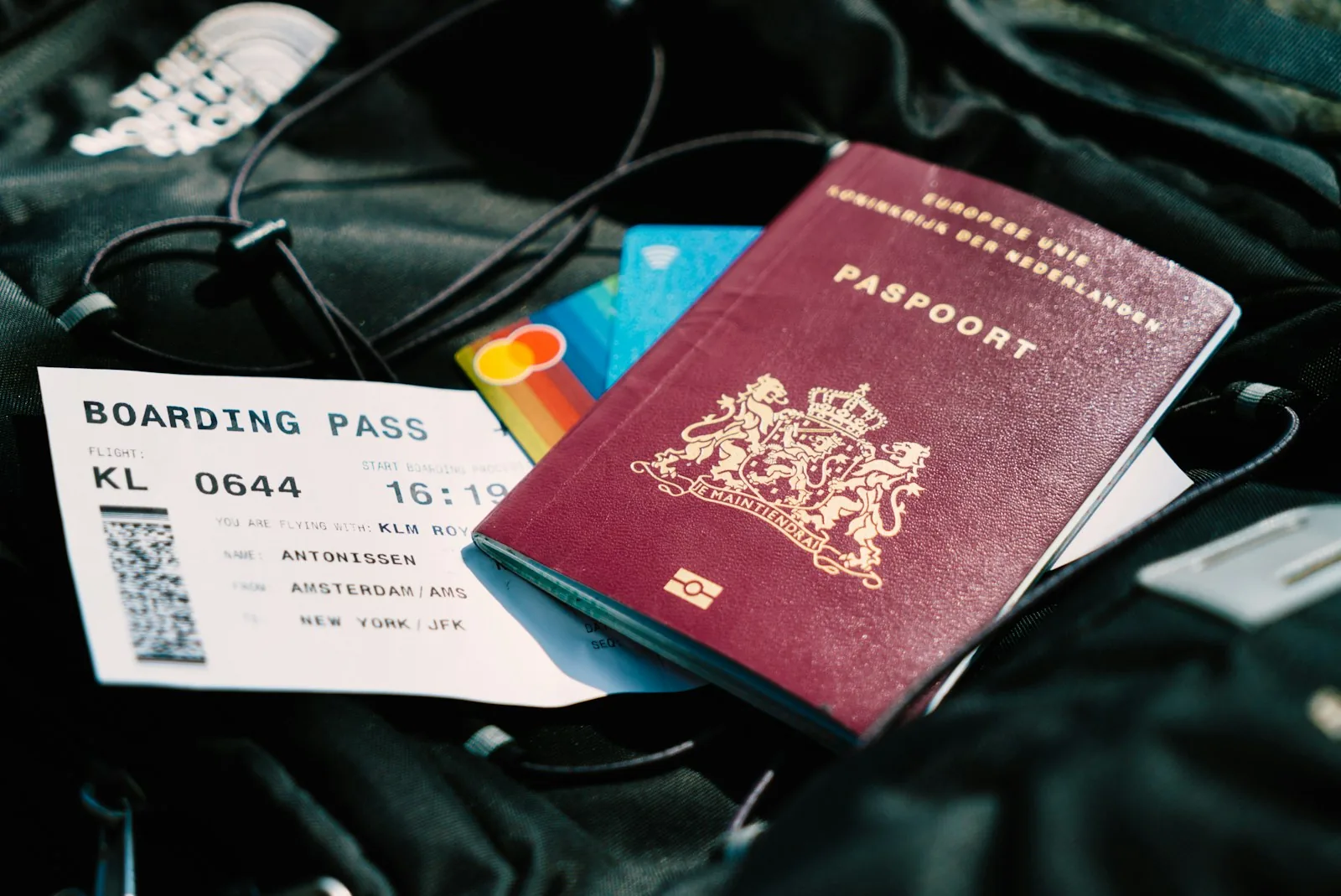
How you enter Taiwan depends on your status. Holders of US, Canadian, Australian, British and EU passports mostly enter visa-free, usually for up to 90 days; Singaporean and Malaysian passports enter visa-free for 30 days; Hong Kong and Macau residents have a visa-free or online-visa route; mainland Chinese citizens living abroad use the tourist entry permit and stay 15 days. Find yourself in the table below, then decide your next step.
| Your status | Entry method | Length of stay | Proof of funds |
|---|---|---|---|
| US passport | Visa-free entry | 90 days | Generally not required |
| Canadian passport | Visa-free entry | 90 days | Generally not required |
| Australian passport | Visa-free entry | 90 days | Generally not required |
| British passport | Visa-free entry | 90 days | Generally not required |
| EU (Schengen) passport | Visa-free entry | 90 days | Generally not required |
| Singaporean passport | Visa-free entry | 30 days | Generally not required |
| Malaysian passport | Visa-free entry | 30 days | Generally not required |
| Hong Kong / Macau residents | Visa-free / online visa | As approved | Generally not required |
| Overseas mainland Chinese | Class 3 tourist entry permit (overseas residency required) | 15 days | Required (one of three) |
The entry routes, one by one:
- US, Canadian, Australian and British passports: mostly visa-free entry, usually up to 90 days. Entering Taiwan requires no electronic travel authorisation in advance — a valid passport is enough. Just check your passport validity (at least 6 months before expiry is recommended) before you travel.
- EU (Schengen) passports: mostly visa-free entry, usually up to 90 days.
- Singaporean and Malaysian passports: visa-free entry for 30 days. No visa is needed in advance for Taiwan; a valid passport is enough, and proof of funds is generally not required.
- Hong Kong / Macau residents: mostly enter visa-free or by online visa, with length of stay as approved. A valid HK/Macau ID is enough, and proof of funds is generally not required.
- Overseas mainland Chinese: if you hold a Chinese passport but live long-term in North America or elsewhere abroad, you mostly use the Class 3 tourist entry permit, staying 15 days from the day after entry, with proof of funds required — see the next section.
If you hold one of the visa-free passports above, you usually won't need proof of funds, and can skip to the section on length of stay and recovery. If you're an overseas mainland Chinese traveller who needs the tourist entry permit, read on.
Overseas mainland Chinese travellers: the "Class 3 tourist" entry permit
If you hold a Chinese passport but live long-term in North America or elsewhere abroad, your purpose in coming to Taiwan is the cosmetic surgery itself — you simply enter through the "tourism" channel: you first obtain lawful tourist entry status, then schedule your procedure during your stay. The most common route is the "tourist entry for mainland residents living overseas" permit.
Eligibility for this route is tied to your overseas status. You can apply if you meet any one of the following:
- You have obtained local permanent residency (such as a US green card or Canadian PR).
- You have lived abroad, or in Hong Kong/Macau, for over a year and hold proof of local employment.
- You are the mainland Chinese spouse or a relative within the second degree of the above, travelling together.
Conversely, mainland residents who hold no green card or PR and don't meet the one-year overseas requirement cannot currently apply through this route, and must follow whatever cross-strait openings apply at the time. On this point, confirm your eligibility through a partner clinic or our concierge before you travel.
If you're eligible, the application is relatively straightforward:
- No group tour required — you can apply as an individual.
- Apply online, or submit paperwork at an overseas representative office; once you receive the entry/exit permit, you can travel to Taiwan.
- The single-entry permit is valid for about three months from the date of issue; related fees follow official announcements.
- The stay is 15 days from the day after entry; there is also an annual cap on total tourist stay, so those entering more than once should watch the cumulative total, per official rules.
One key timing note: apply at least one month in advance, and only after the permit is approved and issued should you book flights and arrange the rest of your trip — not the other way around.
Proof of funds for the tourist permit: which of the three is easiest to get approved?

Overseas mainland Chinese travellers applying for the tourist entry permit need to submit proof of funds. Remember one thing first: prepare it ahead of time. These documents have a validity window, and last-minute or late submissions easily get stuck in resubmission and delay your trip.
Proof of funds is usually one of three — meeting any one is enough. The point isn't to gather all three, but to pick the one easiest for you to obtain and least likely to be rejected.
| Method | Threshold | Points to watch |
|---|---|---|
| Bank deposit certificate | NT$100,000 or more (about RMB 25,000) | Issued within the last 3 months, held for at least 1 month, stamped by the bank; or a bank statement for the past 1 month |
| Bank gold card | Gold-tier credit card or above | Issued by the bank — the simplest of the three |
| Annual income certificate | Annual income of NT$500,000 or more | Must be stamped by the company, state the issue date, and show at least 1 year of employment |
Three pointers on choosing:
- If you have a gold card, use it. It's a single card, no need to visit the bank for a certificate — the fastest of the three.
- For the deposit certificate, mind the "held for a month" rule. Money transferred in at the last minute, with the certificate issued a few days later, won't meet the holding period and will be rejected.
- For the income certificate, the company stamp, issue date, and one full year of employment are all required — miss one stamp and you'll have to start over.
One easily overlooked detail: the thresholds are expressed as NT-dollar equivalents, with the exchange rate taken on the day of submission. If your amount sits right on the line, leave a little buffer to be safe. Not sure your documents are complete? Message our concierge via WhatsApp or WeChat to have it checked first — no need to puzzle over the table alone.
Length of stay: is it enough for the procedure and recovery?
How long you can stay varies a lot by status: visa-free passport holders from the US, Canada, UK, Australia and EU can mostly stay 90 days, which is fairly generous; those on the tourist entry permit get 15 days from the day after entry. Days differ by nationality and route, so don't apply a single number to yourself.
However long you can stay, count it together with your recovery period. If your procedure needs follow-up visits and suture removal, or recovery takes over a week, your free-and-active days are fewer than they look. For how to arrange the schedule and which days to reserve for recovery, see our trip-planning guide and the recovery-period article, and lay out the days so you're less likely to still be swollen on the day you fly home.
The five most common snags — avoid them in advance
The back-and-forth we see most often, distilled into five reminders:
- Last-minute deposit: if the deposit hasn't been held for a month, the certificate gets rejected.
- Missing stamp: a missing bank or company stamp means the whole thing is redone.
- No proof of family relationship: lineal relatives and spouses travelling together need proof of relationship (birth certificate, marriage certificate, etc.).
- Days cut too tight: cramming follow-ups and recovery into the approved days can leave you still swollen on your departure day.
- Expired documents: deposit certificates and statements have a validity window — issued too early, they may already be expired at submission.
Each of these looks minor on its own, but they're the most common reasons a trip gets pushed back. Running through the checklist once before you travel is the cheapest insurance there is.
Frequently asked questions
Entry status, length of stay, proof of funds, recovery period — these links are all connected, and missing one can push the whole trip back. You don't need to keep all the rules in your head. When you need to, message our concierge on WhatsApp or WeChat to go through it item by item, and clear up the uncertain parts before you book flights and schedule your procedure. Handling all this alone, far from home, makes things easy to miss; having someone check it through means you can leave with a little more peace of mind.
Compiled from public information from Taiwan's National Immigration Agency and the Taiwan International Healthcare portal (2026/6). Policy figures follow the latest official announcements. This article lists no medical treatment fees; proof-of-funds thresholds follow official announcements.