

For beauty-conscious urban professionals who view aesthetic refinement as a precise personal investment, reserving a 5-to-7-day getaway for rhinoplasty in Taipei has become a popular, high-touch itinerary in recent years. Following nose surgery, nasal packing is inserted into the nostrils to stabilize the newly reconstructed nasal bone structure and promote tissue adhesion, while an external splint and protective gauze bandage are placed over the nose (American Society of Plastic Surgeons, 2022).
Unlike a quick 2-to-3-day trip for eyelid surgery, recovering from rhinoplasty requires staying in Taipei until your clinic appointment to remove the stitches, nasal packing, and splint. Once you leave the clinic and step into your hotel room, the real challenge begins: your nose is completely blocked, forcing you to breathe through your mouth, and with an external splint taped to your face, even opening the door for food delivery feels daunting. You worked hard to take this time off, and the last thing you want is for colleagues or acquaintances to find out about your surgery.
(If you are looking for short-stay eye surgery recovery guidelines, check out our companion guide:Taipei Under-Eye Surgery: Your Post-Op Recovery Guide.)
Designed specifically for privacy-conscious travelers who value comfort, this guide offers practical strategies and a hotel room checklist for your post-op recovery.
What Happens in Your Hotel Room During the First 48 Hours?
After leaving the clinic and checking into your hotel, you no longer have medical staff monitoring you around the clock. Recovering alone in an unfamiliar environment can feel overwhelming. While individual healing speeds vary, most patients encounter specific physical changes and recovery hurdles during the initial 48 hours (always follow your surgeon's specific instructions):
[0–12 Hours: Anesthesia Recovery & Gravity Positioning]
- What you may experience: Heavy pressure in your nasal passage from the packing, accompanied by mild dizziness as the anesthesia wears off and light blood-tinged discharge under your nose (Taipei Veterans General Hospital Nursing Department, 2024).
- Hotel room care tips:
- Semi-Fowler (elevated) positioning: Upon arriving at your hotel, rest in a semi-reclined position with your bedhead elevated 30 to 45 degrees (Taipei Veterans General Hospital Nursing Department, 2024). Avoid sudden movements when changing positions to prevent dizziness.
- Strictly avoid bending forward: Bending over to pick up items, looking down at your phone, or lifting heavy luggage increases blood pressure in your head and nasal blood vessels, heightening the risk of bleeding (Taipei Veterans General Hospital Nursing Department, 2024).
[12–24 Hours: Peak Mouth Breathing & Dry Mouth Emergencies]
- What you may experience: Because nasal packing forces you to breathe entirely through your mouth, saliva evaporates rapidly. This causes chapped lips, tongue numbness, and a sore, scratchy throat, often waking you up repeatedly at night (Taipei Veterans General Hospital Nursing Department, 2024). Speaking takes immense effort, leading many patients to prefer texting over talking.
- Hotel room care tips:
- Hydration and lip care: Sip warm water or rinse your mouth frequently to keep your oral cavity clean and moist (Taipei Veterans General Hospital Nursing Department, 2024). Keep a thermal flask and lip balm right at your bedside to avoid getting up and bending forward to pour water.
- Humidity control: Turn on an in-room humidifier or place a basin of warm water nearby to soothe throat irritation caused by dry air.
[24–48 Hours: Peak Swelling & Privacy Protection]
- What you may experience: Facial and peri-nasal swelling peaks, and minor fluid seepage under your nose continues. Nasal packing typically remains in place for 2 to 3 days until evaluated and removed by your surgeon (Taipei Veterans General Hospital Nursing Department, 2024).
- Hotel room care tips:
- Proper ice application: Apply ice compresses as instructed by your clinic to minimize bleeding and swelling (American Society of Plastic Surgeons, 2022; Taipei Veterans General Hospital Nursing Department, 2024). Always wrap ice packs in a clean towel to prevent melting condensation from wetting your nasal splint or causing cold injury to your skin (American Society of Plastic Surgeons, 2022).
- Leave gauze and nasal packing to the professionals: Minor fluid drainage on the gauze under your nose is normal (Taipei Veterans General Hospital Nursing Department, 2024). Never pull or remove the nasal packing yourself (Taipei Veterans General Hospital Nursing Department, 2024). Refer to the discharge care sheet provided by your clinic for changing gauze bandages. If drainage increases significantly or anything feels unusual, contact your clinic immediately.
- Clinic and hotel door coordination: Aesthetic anxiety is highest during this phase. Having a dedicated lifestyle concierge handle food deliveries and hotel room service communication at your door prevents you from exposing your splinted face to strangers.
[48 Hours–7 Days: Gentle Healing & Stitch Removal]
- What you may experience: Breathing returns to normal once your surgeon removes the nasal packing, though the external splint and sutures remain until days 5 to 7. Final nasal shape stabilization and full swelling resolution can take several months to a year (American Society of Plastic Surgeons, 2022).
- Hotel room care tips:
- Avoid forceful movements: Never blow your nose forcefully, pick your nose, snort, or sneeze hard (Taipei Veterans General Hospital Nursing Department, 2024).
- Manage water temperature: Avoid hot showers or baths during the first two weeks (care guidelines recommend keeping water temperatures under 104°F / 40°C) (Taipei Veterans General Hospital Nursing Department, 2024).
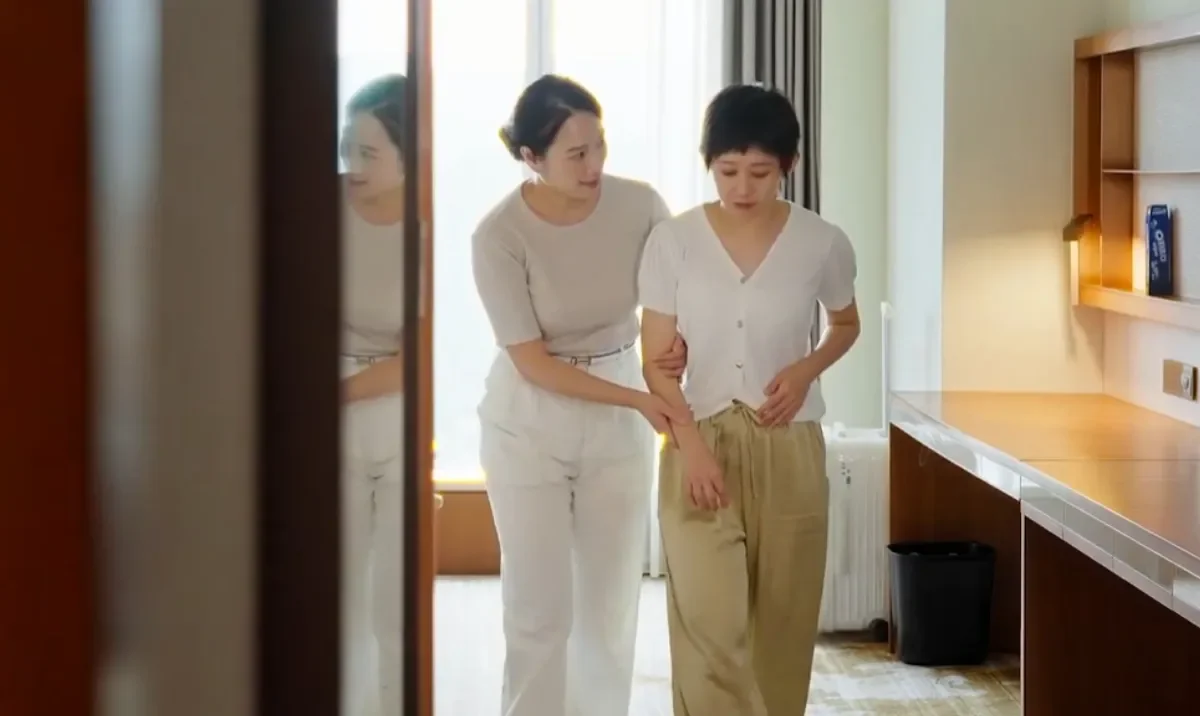
What to Prepare in Your Hotel Room
To ensure a comfortable, stress-free recovery, use this room setup checklist when checking into your hotel:
| Recovery Focus | Room Setup | Purpose |
| Bed Positioning & Posture | ☐ Stack 2–3 soft pillows to keep bedhead elevated 30–45 degrees (Taipei Veterans General Hospital Nursing Department, 2024) ☐ Place phones and remotes at eye level; strictly avoid bending or stooping (Taipei Veterans General Hospital Nursing Department, 2024) | Reduces facial blood pressure to prevent nasal bleeding and worsening swelling. |
| Dry Mouth & Throat Relief | ☐ Keep warm water and lip balm at bedside within easy reach ☐ Run an in-room humidifier or place warm water nearby to maintain humidity ☐ Use alcohol-free soothing mouthwash to keep oral cavity clean and moist (Taipei Veterans General Hospital Nursing Department, 2024) | Relieves sore throat, chapped lips, and nighttime awakening caused by mouth breathing. |
| Ice Compression & Hygiene | ☐ Prepare clean ice packs wrapped in a clean towel delivered straight to your bedside (American Society of Plastic Surgeons, 2022) | Soothes swelling and pain around the nose while protecting the nasal splint from water damage. |
| Meals & Beauty Care | ☐ Arrange delivery of lukewarm, low-sodium, soft foods; avoid spicy, hot items, alcohol, and smoking (China Medical University Hospital Nutrition Department, 2024) | Prevents high sodium and heat from exacerbating swelling; coordinates in-room beauty care. |
How a Lifestyle Concierge Supports Your Recovery
"Leave the surgery to your doctor, and daily living to Far From Home Care."
Far From Home Care provides strictly non-medical daily living assistance—never touching wounds, administering medication, or making medical decisions:
1. In-Room Humidity & Reclining Setup
Your lifestyle concierge sets up in-room humidifiers or places warm water basins to counteract air dryness from mouth breathing. They also stock your bedside with warm water, lip balm, and hydrating sprays.
2. Discreet Door Coordination & Privacy Shielding
Our concierges operate under strict Non-Disclosure Agreements (NDAs). During recovery, all food deliveries, package pickups, and hotel room service communications are handled entirely at your door by your concierge, saving you from answering the door with a facial splint.
3. Customized Meal Procurement
Your concierge handles errands to purchase meals tailored to your personal tastes while adhering strictly to medical dietary guidelines (such as avoiding spicy, overly hot, or high-sodium foods) (China Medical University Hospital Nutrition Department, 2024). We know where to source comforting, low-sodium local Taipei meals suitable for post-op healing.
4. Customizable In-Room Pampering Services
Washing your face and hair after rhinoplasty is challenging—excessive water temperature or stray water droplets wetting the nasal splint can compromise its fit and stability (Taipei Veterans General Hospital Nursing Department, 2024). We assist in connecting you with customizable light beauty options: if you wish to arrange in-room hair washing or manicures during recovery, let us know during your consultation. Hair washing timing and methods follow your operating surgeon's instructions.
Post-Rhinoplasty Hotel FAQs
Will my lifestyle concierge replace my nasal gauze or remove nasal packing?+
No. To strictly comply with medical regulations and protect your safety, your concierge provides non-medical daily living support only. Changing blood-stained gauze, wound cleansing, and removing nasal packing are medical procedures that must be performed by your operating surgeon or clinic staff. If you have any wound concerns at your hotel, your concierge will contact your clinic immediately.
Mouth breathing is extremely uncomfortable. What concrete help can a concierge provide?+
Your concierge prepares in-room humidifiers or warm water basins and keeps warm water and lip care supplies at your bedside. They also assist in adjusting hotel pillows to a comfortable 30-to-45-degree angle (Taipei Veterans General Hospital Nursing Department, 2024), minimizing discomfort caused by getting up or bending down. You can communicate entirely via text without speaking.
What should I know about ice compression after nose surgery? How does the concierge assist?+
Applying ice compresses during the first 48 hours reduces swelling around the nose and eyes (American Society of Plastic Surgeons, 2022; Taipei Veterans General Hospital Nursing Department, 2024). Your concierge fetches ice from hotel staff at scheduled intervals, wraps it safely in towels, delivers it to your bedside, and sets reminders (American Society of Plastic Surgeons, 2022) to prevent frostbite or water droplets from wetting your splint.
If I book private transfer and concierge services, can my trip stay completely low-profile?+
Yes. Our team signs strict NDAs. Clinic departures utilize private exits, and upon hotel arrival, your concierge manages room service and food delivery interactions at your door so you don't have to face strangers.
Planning a Cosmetic Getaway? Let Far From Home Care Be Your Private Support
You don't have to navigate the recovery journey alone. From private transfers and nutritional meal pickup to discreet room coordination, Far From Home Care manages every detail so you can rest comfortably and focus on healing.
▶ Click to Book a Consultation & Start Your Private Conversation ◀
(Join our official WhatsApp channel for a personalized itinerary and support evaluation.)
Non-Medical Service & Compliance Disclaimer
All recovery timelines mentioned are general medical care guidelines for itinerary planning purposes only. Actual recovery protocols, surgical suitability, activity limits, and flight departure timing are determined solely by your operating physician. Far From Home Care is a lifestyle accompaniment service and not a medical institution. We do not perform medical procedures, wound care, or drain maintenance, nor do we guarantee surgical outcomes.
References
American Society of Plastic Surgeons. (2022). Rhinoplasty recovery: Procedure, timeline & post-op care. American Society of Plastic Surgeons Patient Guide. https://www.plasticsurgery.org/cosmetic-procedures/rhinoplasty/recovery
China Medical University Hospital Nutrition Department. (2024). Waike shoushu hou bingren zhi yinshi yuanze [Dietary principles for post-surgical patients] [Educational leaflet]. China Medical University Hospital. https://www.cmuh.cmu.edu.tw/HealthEdus/Detail?no=4788
Taipei Veterans General Hospital Nursing Department. (2024). Bibu shoushu zhi zhaohu [Home care guide for nasal surgery]. Taipei Veterans General Hospital e-Health. https://ihealth.vghtpe.gov.tw/media/895