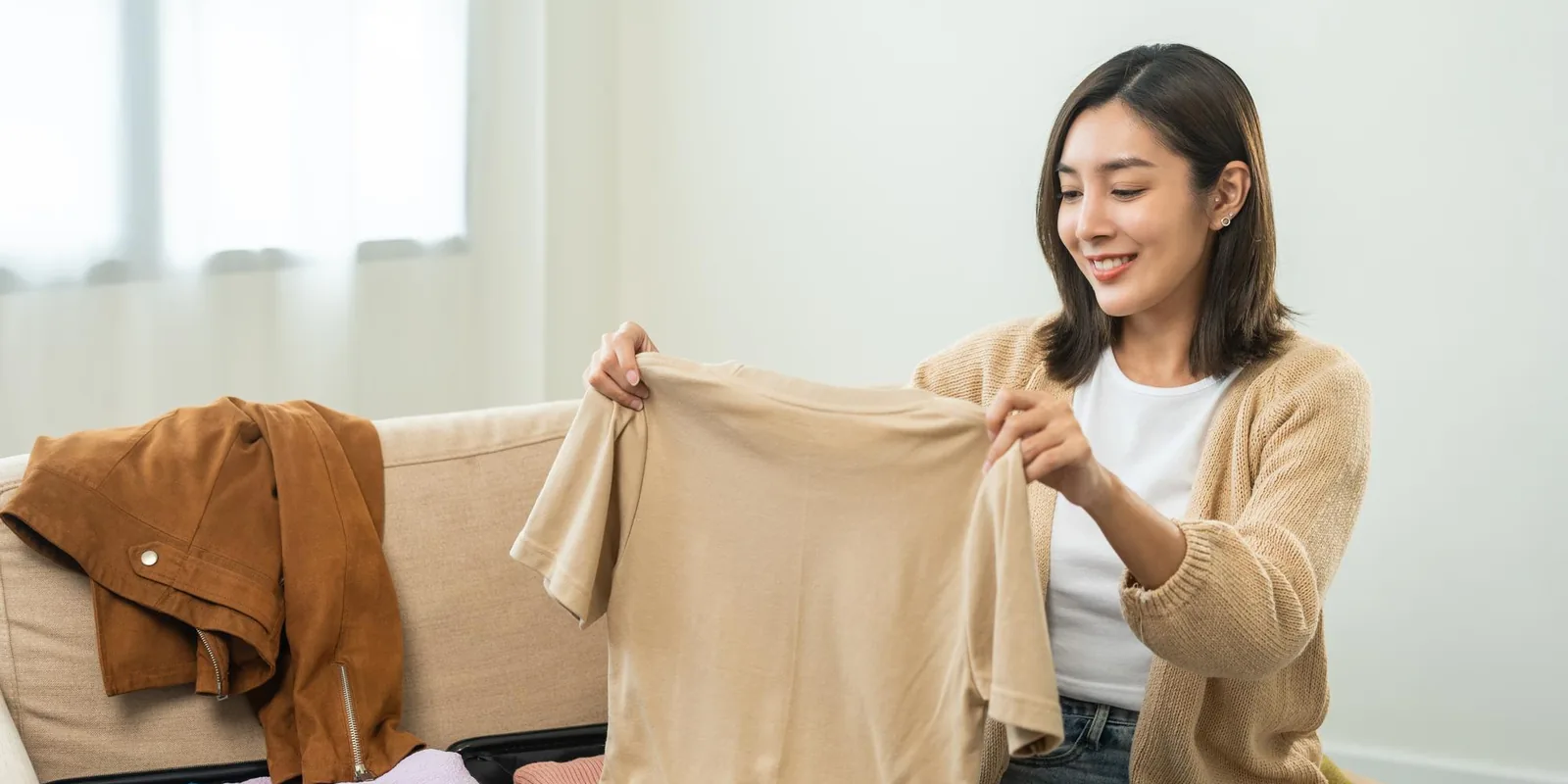
Large-area liposuction treats multiple areas — abdomen, thighs, lower back, arms — in a single procedure. This isn't a quick needle-and-bandage job you can return to work from the next day. During recovery, every day your body reminds you: you've had a real surgery.
As an overseas guest coming to Taiwan for liposuction, the hardest part often isn't the procedure itself — it's the days after: struggling alone to put on your compression garment, unable to bend down, unsure whether to ice or heat today. This article isn't about medical judgment — that's the doctor's expertise. What this article wants to talk about is why, after large-area liposuction, dedicated care isn't just an option — it's a necessity.
After large-area liposuction, the hardest part often isn't your body healing — it's having to grit your teeth through something as basic as putting on and taking off your compression garment on your own.
Large-Area Liposuction Is No Minor Procedure: The Three Phases of Recovery

Let's lay out the recovery timeline. Post-operative recovery from large-area liposuction can be divided into roughly three phases, each with different care needs.
| Phase | Timeframe | Physical State | Help Most Needed |
|---|---|---|---|
| Acute Swelling Phase | Days 1–3 after surgery | Pronounced swelling, more fluid drainage, slow movement | Bed rest, icing, monitoring drainage, meal delivery |
| Compression Phase | Days 4–14 after surgery | Swelling gradually subsides; need full-time compression garment | Putting on/taking off garment, follow-up accompaniment, hygiene assistance, meal arrangement |
| Stable Recovery Phase | Weeks 2–4 after surgery | Light activity possible; garment needed half-day | Daily living, packing luggage, airport transfers |
You might think, "I can handle these things myself." But here's what actually happens — on day three, when you try to put on your compression garment on your own, can't bend down, can't lift your arms, and it takes twenty minutes of sweating and accidentally hitting your incisions just to get the tight garment on — that's when you realize how much difference a helping hand makes.
Putting On and Taking Off Your Compression Garment: The One Thing You Need Most Help With
The one thing you absolutely cannot skip after liposuction is wearing your compression garment. Its job is to reduce swelling, help the skin adhere, and minimize the risk of post-surgery unevenness. Your doctor will tell you: for the first month after surgery, you need to wear it except when showering. Here's the problem — can you actually put it on by yourself?
After large-area liposuction, your arm movement is restricted, you can't engage your core, and bending pulls on incisions in your thighs and lower back. Trying to put on a compression garment alone often ends like this: you finally wrestle it on, but it's twisted; you try to adjust it, but can't reach behind your back. And then there's having to put it back on after every bathroom trip — several times a day, each one a physical battle.
The concierge helps you put on and take off your compression garment twice a day — once in the morning and once before your shower — making sure it's on smoothly and the pressure is even. You just need to stand up and raise your arms; she handles the rest. And she checks the fit afterward, adjusting if it's too tight or too loose.
The hardest thing about the compression garment isn't "putting it on once" — it's having to put it on again every single day, for a whole month.
On Your Own vs. With Someone Beside You: How a Recovery Day Differs
Enough concepts — let's look at the comparison directly:
| Time of Day | On Your Own | With a Concierge |
|---|---|---|
| Morning wake-up | Struggle into your compression garment, working up a sweat | Concierge helps you put it on and checks that pressure is even |
| Breakfast | Walk to the nearest convenience store — the trip alone wears you out | Concierge brings warm, high-protein meals suited to recovery |
| Icing time | Roughly follow your memory, often forgetting to switch sides | Concierge sets a timer and reminds you at regular intervals |
| Follow-up visit | Call a cab alone, listen to the doctor's instructions, afraid you'll misunderstand | Private transfer, bilingual accompaniment, concierge takes notes |
| Evening shower | Taking off and putting on the garment is another ordeal; unsure if the incision can get wet | Concierge confirms waterproofing, helps you put the garment back on |
| Bedtime | Unsure whether today's swelling level is normal | Concierge tracks your condition, flags any issues to the clinic promptly |
Notice a pattern? The difference isn't about "someone doing the medical work for you" — all medical matters stay with the doctor. The difference is in the small things of daily life. Individually, none of them is a big deal. But piled together, they become the weight of recovery. The concierge's job is to lift that weight off your shoulders.
Follow-Up Days Are When You Need Someone Most

A follow-up visit after large-area liposuction isn't just a quick look. The doctor checks wound healing, evaluates how the swelling is going down, and adjusts compression garment recommendations. For overseas guests, the biggest worry is not understanding and not remembering — receiving a flood of instructions in an unfamiliar language, forgetting everything the moment nerves kick in.
What the concierge does is simple: goes with you to the clinic, helps you ask the questions you need answered, writes down every word the doctor says, and reviews everything with you on the way back. You just focus on listening; the concierge handles the rest.
Far From Home Care is a daily-life companionship and care service, not a medical institution. The concierge provides help with daily living, reminders about the doctor's instructions, bilingual communication and follow-up accompaniment; it involves no medical procedures or wound care of any kind. Your recovery and all medical questions should follow, without exception, the assessment and instructions of your treating physician.
Who Especially Benefits from Dedicated Care
Not everyone who has liposuction necessarily needs a concierge, but in the following situations, having dedicated care makes a world of difference to recovery quality:
- Three or more areas treated in one session — the more areas treated, the more restricted your movement, making compression garments, moving around, and showering much harder.
- Abdomen and thighs treated together — when both are treated, bending, sitting down, and using the toilet all require assistance.
- Arms treated — for about a week after surgery, your arms can't fully extend, affecting even brushing your hair and eating, let alone getting dressed.
- You're alone with no family or friends — you thought you could manage before coming, but once you're here, even buying a boxed lunch becomes a challenge.
- You have a short stay — fewer days mean a more intense recovery. With help arranging your schedule and managing daily life, you won't waste precious time on trivial tasks.
If any of these apply to you, we recommend factoring daily care into your itinerary from the start. Not because you can't manage — but because when you're recovering in a foreign place, you don't have to do everything alone.
Common Misconception: You'll Be Fine the Day After Surgery
Many people's idea of liposuction recovery comes from social media posts about "going shopping three days after liposuction." But what those posts don't tell you is that someone helped her put on her compression garment, someone arranged her meals, someone accompanied her to follow-up visits — they just didn't show that part.
Large-area liposuction is surgery, not a treatment. Your body needs time to heal. During this time, letting yourself rest properly and not pushing through the pain is the best choice you can make. Save your recovery energy for recovery — not for wrestling with a compression garment.
Frequently Asked Questions
How soon after large-area liposuction can I move around on my own?+
Swelling is most pronounced in the first three days after surgery, so bed rest and limited movement are recommended. Most guests can resume light daily activities within about a week, but tasks like putting on and taking off compression garments, showering, and lifting heavy objects still require assistance. Actual recovery speed varies by individual constitution and the areas treated — follow your treating physician's instructions.
Why do I need help putting on and taking off a compression garment after large-area liposuction?+
After liposuction, you need to wear a compression garment around the clock to reduce swelling and help the skin adhere. However, post-surgery arm movement is limited and bending is difficult, making it very hard to put on and take off the garment by yourself. The concierge helps you put it on and take it off twice a day, ensuring you wear it for the full required hours — without skipping time because you can't manage on your own.
How soon after large-area liposuction can I fly home?+
A common recommendation from plastic surgeons is to wait 10 to 14 days after surgery before flying. Flying within 24 hours after liposuction is not advised. For long-haul flights, at least a week is generally recommended, and for large-area liposuction, a longer waiting period is preferable. Always follow your treating physician's assessment.
How long do I need to wear a compression garment during liposuction recovery?+
It is generally recommended to wear it around the clock for the first month, removing it only briefly for showers. After one month, depending on your recovery, you can reduce to 8 to 12 hours per day. Wearing duration and pressure levels should follow your doctor's instructions; Far From Home Care can assist with putting on, taking off, and cleaning the garment.
What should I prepare for large-area liposuction recovery?+
In addition to the compression garment and medications provided by the clinic, we recommend preparing loose, easy-to-wear clothing, extra pillows to prop yourself up while resting, straws (you won't be able to tilt your head to drink easily in the first few days), and arranging post-surgery daily care in advance. You can connect with the concierge via WhatsApp or WeChat to confirm all the details before you depart.
The real challenge during recovery from large-area liposuction isn't your body — it's daily life. Alone in a foreign place, fighting with your compression garment, ice packs, and food delivery every day, spending energy on these things instead of saving it for the rest you actually need. Leave daily care to the concierge — your only job is to focus on one thing: letting yourself heal.
When you need us, the concierge is reachable on WhatsApp or WeChat.