For most people planning breast augmentation away from home, the first math isn't the cost — it's the days off. Ten-odd days of annual leave, and the surgery plus recovery has to fit inside them. The second thought is privacy: you'd rather the whole thing stay yours, not your coworkers' lunch topic.
Doing it abroad answers both — two weeks away reads as a holiday, and nobody at home sees the recovery. But that plan tends to skip one detail: for the first week or two after breast augmentation, your upper body is largely out of action. This article won't touch the surgery itself — implants or fat transfer, incisions, all of that belongs to you and your surgeon. What it covers is the stretch when reaching and lifting are off the table: how daily life works, and who does the lifting.
You can fly halfway around the world on your own. On day three after surgery, you can't pull your own suitcase.
The medical direction first: an out-of-action upper body is the daily reality
From the directions doctors commonly give (your own surgeon's word is final):
- Keep the chest undisturbed for about the first week: no reaching overhead, no wide arm movements that pull on the chest, nothing heavier than a few kilograms.
- Desk work resumes in a few days: commonly three to five days for light work; physically demanding jobs usually need two weeks or more.
- Light exercise from about two weeks: walking and lower-body work first; upper-body and strenuous exercise commonly wait until about a month.
- The flight home is your surgeon's call: most guests fly after stitch removal and a follow-up — and let someone else carry the bags.
What "can't use your upper body" means by Tuesday
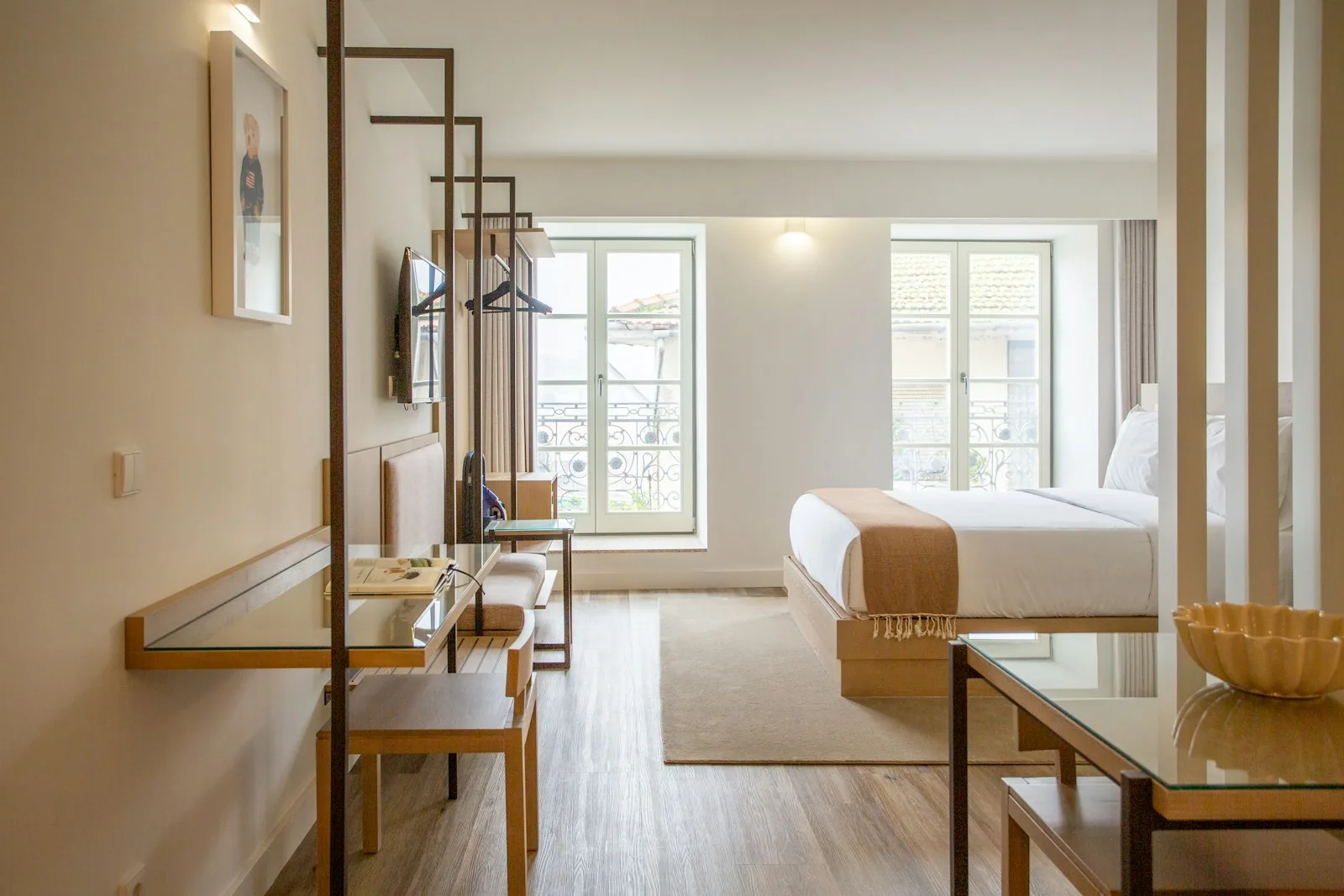
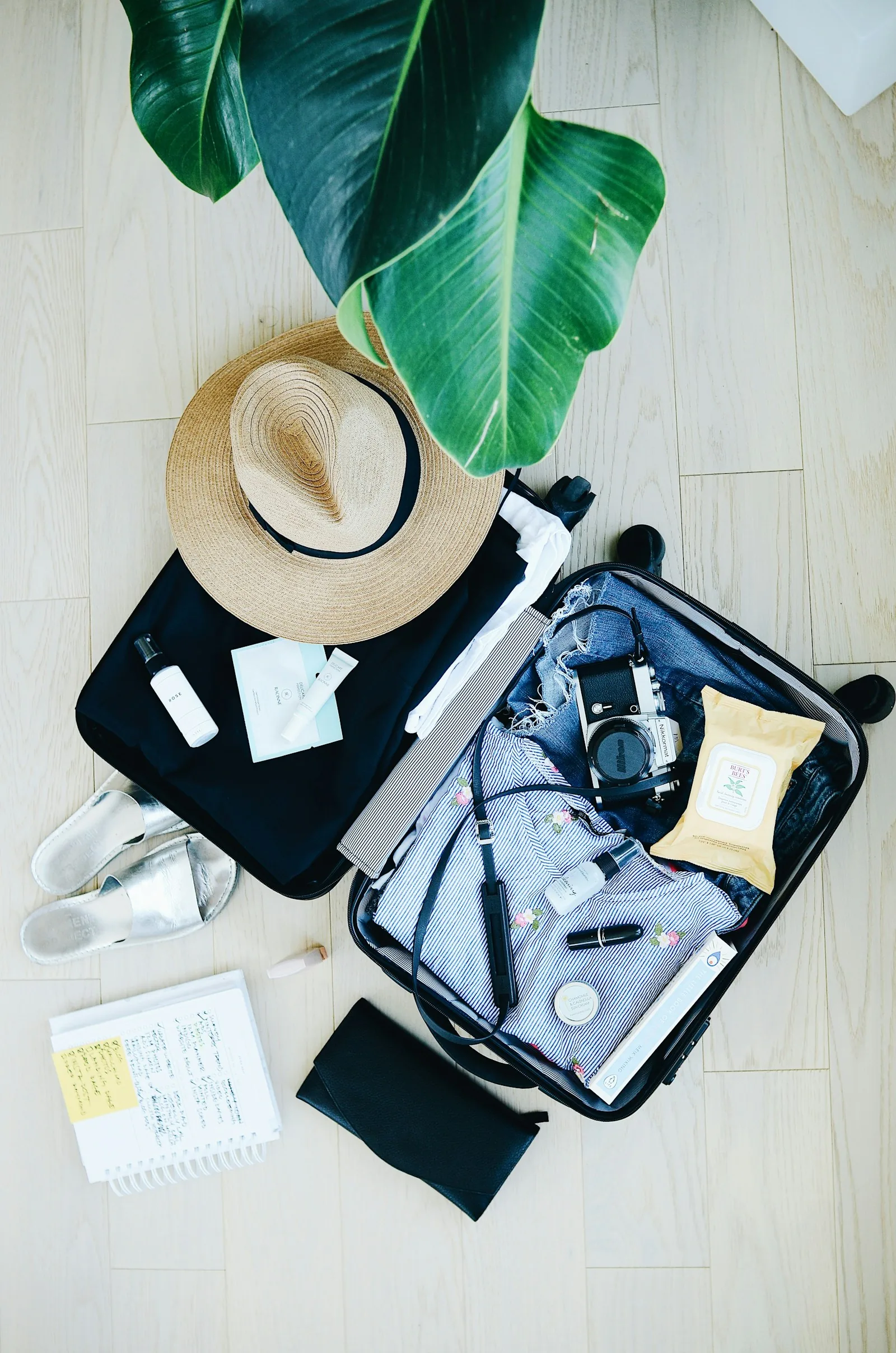
Translate the restrictions into a hotel room and the picture sharpens: pullover tops are out, so front-opening shirts and bras go on the packing list. A ponytail is suddenly a two-person job, and washing your hair is a project. The wardrobe rail is above shoulder height. A bottle of water from the convenience store is fine — a bag of groceries back to the hotel already breaks the weight rule.
At home, with someone around, none of this is a problem. Alone in a hotel, every one of them is. And the privacy that made you travel alone is exactly what put you in the situation that most needs another pair of hands. That's the quiet contradiction of this trip — and why breast augmentation, more than most procedures, is worth arranging help for.
Where it gets hardest on your own
| What comes up | On your own | With someone beside you |
|---|---|---|
| Luggage and carrying | The suitcase is a problem from the moment you land | Airport transfers include the bags — you lift nothing |
| Dressing and hair | Reaching overhead is off-limits; every morning is a negotiation with your clothes | A hand with daily life, front-opening clothes prepared ahead |
| Errands and supplies | One shopping bag already breaks the weight rule | Bought and delivered to your door |
| Meals | Even carrying takeout back is lifting | Warm food delivered, cleared away after |
| Follow-up visits | Hailing rides and facing an all-Chinese clinic alone | Door-to-door car, bilingual accompaniment, instructions noted down |
| Your state of mind | The one thing you can't tell anyone back home | One person who knows the whole story and listens |
Privacy is actually the strength of doing this abroad
Come back to the privacy question: crossing an ocean is the most discreet arrangement there is. The swollen weeks happen where nobody knows you; you fly home in everyday clothes, back from "a holiday in Asia," and life continues. The concierge knows your itinerary — and only the concierge does. Discretion isn't an add-on in this line of work; it's the baseline.
What the plan needs is the right timing: set your stay around your surgeon's stitch-removal and follow-up schedule, with room to spare. For day counts, see How to Plan Your Cosmetic Surgery Trip to Taiwan: Three Day-Count Templates; for exactly what the concierge does and doesn't do, After the Clinic Closes has the full division of roles.
Breast augmentation is done in different ways — with implants or with fat transfer; if fat transfer is used, the donor areas (waist, abdomen, thighs and so on) vary from person to person and come with their own aftercare, all as planned by your surgeon. All recovery timelines here are common directions doctors give, for trip planning only — your treating physician's assessment always takes precedence. Far From Home Care is a daily-life companionship service, not a medical provider; it performs no medical procedures, wound care or massage instruction, and makes no claims about treatment results.
Frequently asked questions
How soon after breast augmentation can I lift my luggage and fly home?+
The common direction doctors give is to avoid lifting and any big movements that pull on your chest for the first week; the timing of your flight and luggage-handling belongs to your surgeon. Most guests schedule the trip home after stitches are out and a follow-up confirms things are stable — and let someone else handle the bags.
How far does the concierge's help go?+
Everything on the living side: luggage, carrying and errands you can't manage yet, meals bought and delivered, transfers and bilingual accompaniment at follow-ups, medication-time reminders. Wound care, massage instructions and medication decisions are medical and stay with your doctor and clinic.
I'd rather keep this private — how is the trip arranged?+
Many guests frame the trip as a holiday or a family visit to Asia: about two weeks away, and by the time you fly home you look like yourself in everyday clothes. The itinerary and accommodation are arranged around your privacy, and what the concierge does for you stays between you and the concierge.
I only have two weeks of leave — is that enough?+
Your length of stay depends on how your surgeon schedules stitch removal and follow-ups. Two weeks is the range many guests plan around, but book your flights after the consultation confirms the timeline, not before. Once your dates are set, the concierge arranges transfers and daily-life help around them.